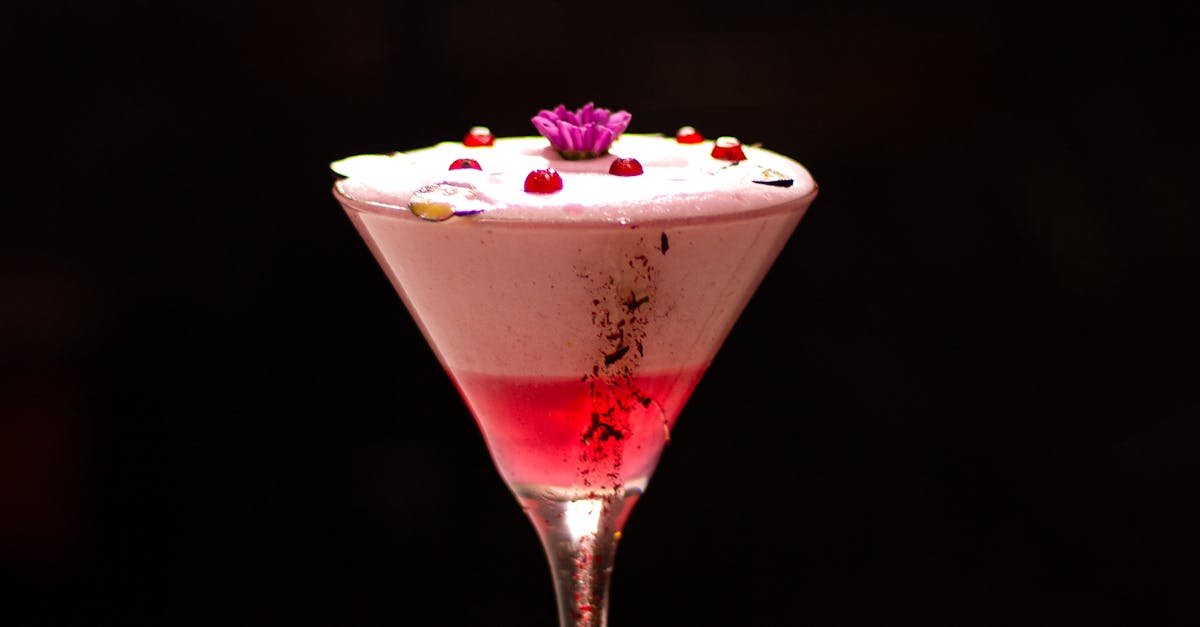
The weeks after Dry January can be a balancing act for bars and restaurants. More guests want low- and no-alcohol ("low/no") options but no one wants to see beverage revenue shrink. The reality is, with the right approach, you can ride the momentum of Dry January all year and drive profitability without diluting your bar’s identity or cutting into sales. At Bouchon, our experience shows a trade-savvy, planned approach to session-friendly drinks is essential to make the most of shifting guest demand without feeling like you’re selling yourself short.
The key is moving beyond basic mocktails. There is real revenue in considered zero-proof cocktails, sessional low-ABV classics, smart by-the-glass sparkling, and a curated low/no backbar. Let’s unpack how you get there practically, profitably, and with minimal friction for staff and customers alike.
What Do We Mean by Low- and No-Alcohol?
Low- and no-alcohol (often referred to as ‘low/no’) refers to drinks designed to deliver full flavour, complexity, and refreshment with little or no alcohol. For bars, this includes:
- No-alcohol: Zero-ABV or alcohol-free products, such as mocktails or dealcoholised wines.
- Low-alcohol: Cocktails or products under 3% ABV, like spritzes, cobblers, or light session beers.
- Sessionable options: Drinks purposely designed for repeated consumption, often during extended catches up and relaxed occasions, with lower alcohol than standard serves.
Why Low/No Doesn’t Mean Losing Beverage Dollars
There’s no need for low/no options to mean softer tabs or lower profits. Recent global shifts suggest otherwise: 69% of consumers have tried non-alc options and the market for these drinks is forecast to keep rising. Many businesses are now commanding premium pricing for well-made zero-proof drinks, with guests expecting to pay for complexity, garnish, and presentation. Adding sessionable options can even increase dwell times and give guests a reason to stay for another round, especially when paired with thoughtful food or snacks.
Four Practical Strategies to Retain & Grow Revenue
Based on what we see at Bouchon and supported by current trade data, here’s how you can maintain strong beverage margins while weaving low/no into your offer:
1. Build a Premium Zero-Proof Cocktail Menu
Many bars make the mistake of relegating non-alc drinks to a separate, basic menu of juices and syrups. Instead, invest the same creative energy you give to core cocktails:
- Use premium bases—think vermouths, amaro substitutes, or fortifieds. Try Maidenii Yuzu Vermouth for fresh, bright spritzes or as a gin alternative.
- Punch up complexity with house syrups and advanced garnishes.
- Justify adult pricing by leaning into flavour, effort, and occasion. Many venues now charge $18+ for their best zero-proofs.

2. Offer Session Menus and Low-ABV Takes on Classics
"Half-spec" versions of crowd-pleasers can work regardless of the season. For example:
- Consider a spritz menu based on vermouth, gently bitter liqueurs, and lighter pour wines. Maidenii Roselle Bitter works beautifully here.
- Sherry cobblers, session Negronis (using rosé instead of gin), and low-dose cobbler-style cocktails give guests permission to order another.
- Low-ABV rosés, like Falesco Rosato Tellus, blend well for pink spritzes with adult appeal.

3. Pour Dealcoholised Wines and Sparkling by the Glass
Treat alcohol-free options with the same respect as your wine list. Pour by-the-glass to create an inclusive, celebratory atmosphere. Use BTG sparkling options that are clean and food friendly—many are now dry, textural, and a legitimate alternative to standard fizz.
4. Stock Backbar Gaps for Modern Low/No Programs
Now’s the time for a strategic review of your backbar:
- Add versatile fortifieds like Christian Drouin Apple Vermouth to give bartenders fresh, modern ingredients for flavour-forward, low-ABV drinks.
- Stock a bitter or two built for non-alc or session serve. For a session Negroni, use rosé, vermouth, and a dash of low-ABV bitter.
- Leverage your wholesale relationship for staff tastings. At Bouchon, we offer tasting and list planning to help your team sell the story behind these drinks.

Understanding the Market: Who’s Buying and Why?
Current research highlights some key drivers and demographics:
- Gen Z and Millennials are leading the charge for mental clarity, healthy nights out, and lower calories. This isn’t just a January thing—it continues throughout the year.
- "Zebra striping” (alternating between standard and low/no drinks on a single night out) is gaining ground. This extends dwell times, increases repeat rounds, and lets all guests feel welcome.
- Sessionable and dealcoholised options see strong demand from both young men (for lighter nights out) and young women (for at-home occasions).
- On-premise success depends on communicating complexity, function (adaptogens, kombucha, gut-friendly bases), and inclusion.
Best Practice Framework for Low/No Success
- Train your staff. Focus on the stories, functional benefits, and suggested pairings. Product knowledge turns scepticism into sell-through.
- Rotate offers in line with key calendar moments. Think February "list refreshes" and menu updates to keep momentum post-Dry January.
- Monitor what sells—and why. Use feedback to fine-tune both your pricing and the style profile. Presentation matters, so treat non-alc drinks with the same theatre as cocktails.
- Leverage your wholesale partner. At Bouchon, we support with staff training, list planning, and stock suggestions specifically targeted for the low/no market.
What Products Should Bars Stock First?
For starting (or levelling up) a low/no program, many businesses find it easiest to invest in a few key lines that work across cocktails, spritzes, and BTG options. At Bouchon we typically recommend:
- Maidenii Yuzu Vermouth for non-traditional spritzes
- Maidenii Roselle Bitter to deepen low-ABV reds & session cocktails
- Falesco Rosato Tellus as a crowd-pleasing backbone for pink spritzes
- Dealcoholised and low-ABV sparkling for by-the-glass or bottle service
How Bouchon Can Help Build Your Next Drinks Program
Our trade-focussed portfolio is built for the modern bar. With over 1,800 wines, spirits, and beers, hand-picked for sessional versatility, we work with you to plug profit holes and unlock the next wave of beverage growth. Need assistance with menu upgrades or staff upskilling? Our team is always ready to help plan, taste, and train for a seamless transition into the low/no space. For account set-up, info on staff training, or to discuss current low/no stock, visit our account opening page or reach out direct.
Related Reading
FAQ – Keeping Low/No Momentum Through the Year
What’s behind the growing demand for low/no?
Younger guests prioritise mental clarity and health, and the idea of ‘zebra striping’—alternating between standard and low/no drinks—is sticking. Many prefer less alcohol but still want to enjoy the ritual, flavour, and atmosphere of going out.
Do zero-proofs really sell at premium prices?
Yes. Provided the drink delivers real complexity, proper garnish, and adult presentation. Treat zero-proofs with the same respect as your best cocktails, and many guests will pay for the experience.
How do I select the right low/no products for my bar?
Start with versatile bases like aromatised wines and bitters. Build out with sessionable low-ABV wines or spritz-friendly options such as Maidenii Yuzu Vermouth, Maidenii Roselle Bitter, and Falesco Rosato Tellus—each available in our trade portfolio. Consider sparkling, BTG for inclusivity.
Is staff training important for selling low/no?
Absolutely. Product knowledge turns a hesitant offer into something staff are excited to pitch. We run regular tastings and in-venue training on how to build, garnish, and confidently present low/no drinks for maximum impact and upsell.
Will stocking more low/no slow down bar service?
Not if you plan well. Lean into tried-and-tested specs, quick-pour sparkling, and versatile base spirits/wines to keep service swift. Pre-batch some elements for busy nights.
What’s the minimum order for delivery from Bouchon?
We offer free delivery for trade customers across the state on orders $750 and up. For smaller orders or unusual requests, reach out and we’ll find a solution.
How do I open a trade account?
You’ll need a valid liquor licence and some key business details. Check our trade account opening guide to get started, or call us for step-by-step help if you want it streamlined. You can also read our detailed checklist in this past blog.
If you want practical advice, planning help, or tasting sessions for staff and management, Bouchon is ready to collaborate. We’re all about making your beverage program more profitable, more inclusive, and more memorable for your guests—without missing a beat after Dry January.