
Prefer to order by phone? +61 7 3854 0407
Trade only
Login to view price
Trade loginPrefer to order by phone? +61 7 3854 0407
On the palate
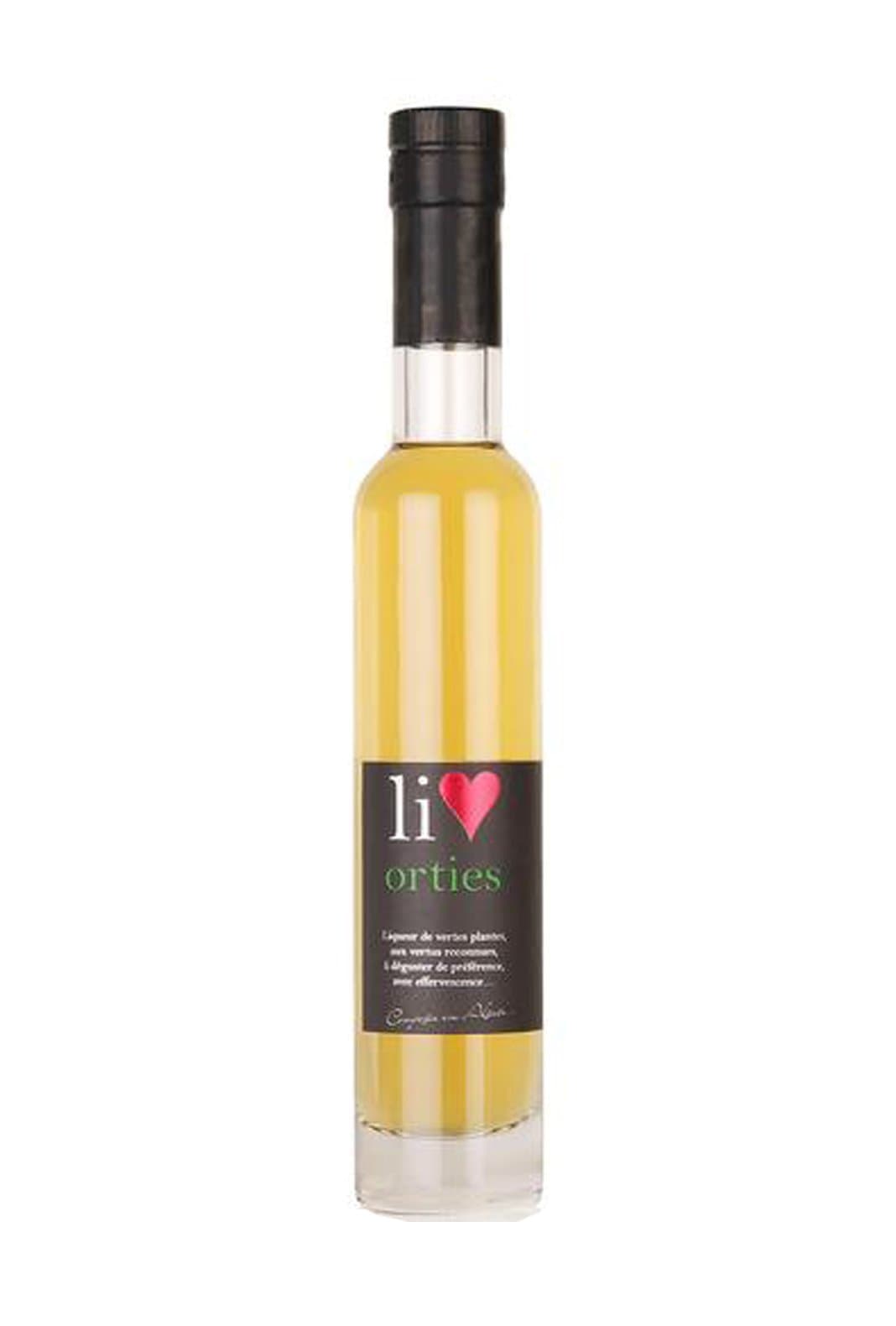
Wild nettles are the ingredients of this liqueur with a clear spring green color, herbal aroma and soft and velvety taste.
Origin
Alsace (Uberach, Val de Moder), France
Volume
200ml
ABV
20.0%
Case size
6 bottles
Origin
Alsace (Uberach, Val de Moder), France
From the same house
More from Bertrand.

BertrandBertrand Liqueur de Chocolat (Chocolate) 18% 500ml
Login
500ml·18.0% ABV·6/case
Trade pricing visible after login
Approved trade accounts see live case & bottle pricing.
New to Bouchon? Apply for a trade account

BertrandBertrand Liqueur de Nougatine (Nougat) 18% 500ml
Login
500ml·18.0% ABV·6/case
Trade pricing visible after login
Approved trade accounts see live case & bottle pricing.
New to Bouchon? Apply for a trade account

BertrandBertrand Liqueur de Poire Williams (Williams Pear) 25% 700ml
Login
700ml·25.0% ABV·6/case
Trade pricing visible after login
Approved trade accounts see live case & bottle pricing.
New to Bouchon? Apply for a trade account
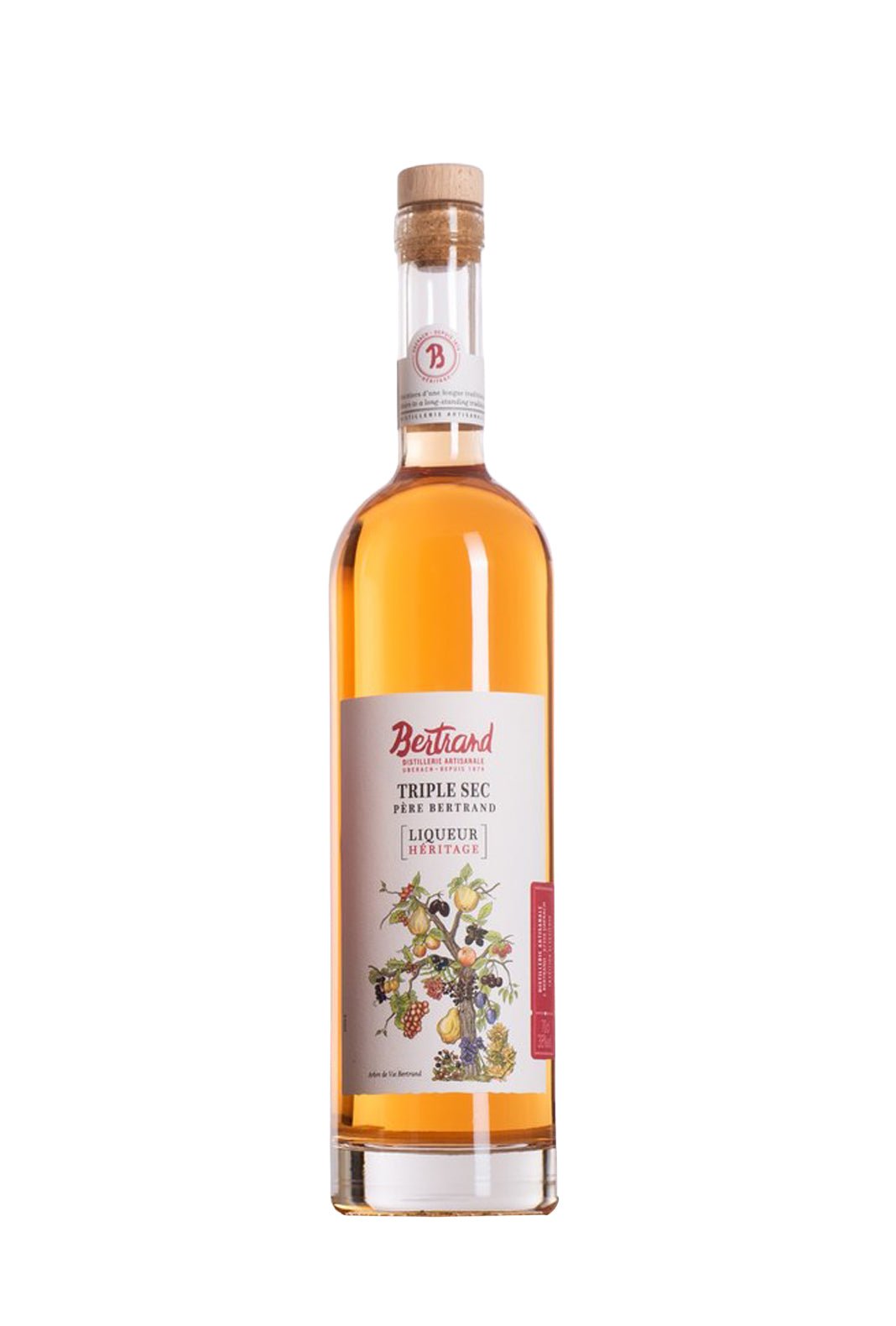
BertrandBertrand Liqueur 'Pere Bertrand' Orange Curacao 38% 700ml
Login
700ml·38.0% ABV·6/case
Trade pricing visible after login
Approved trade accounts see live case & bottle pricing.
New to Bouchon? Apply for a trade account

BertrandBertrand Eau de Vie de Fleur de Biere (Distilled Beer spirit) 40% 700ml
Login
700ml·40.0% ABV·6/case
Trade pricing visible after login
Approved trade accounts see live case & bottle pricing.
New to Bouchon? Apply for a trade account

BertrandBertrand Eau de Vie de Coing (Quince spirit) 45% 700ml
Login
700ml·45.0% ABV·6/case
Trade pricing visible after login
Approved trade accounts see live case & bottle pricing.
New to Bouchon? Apply for a trade account
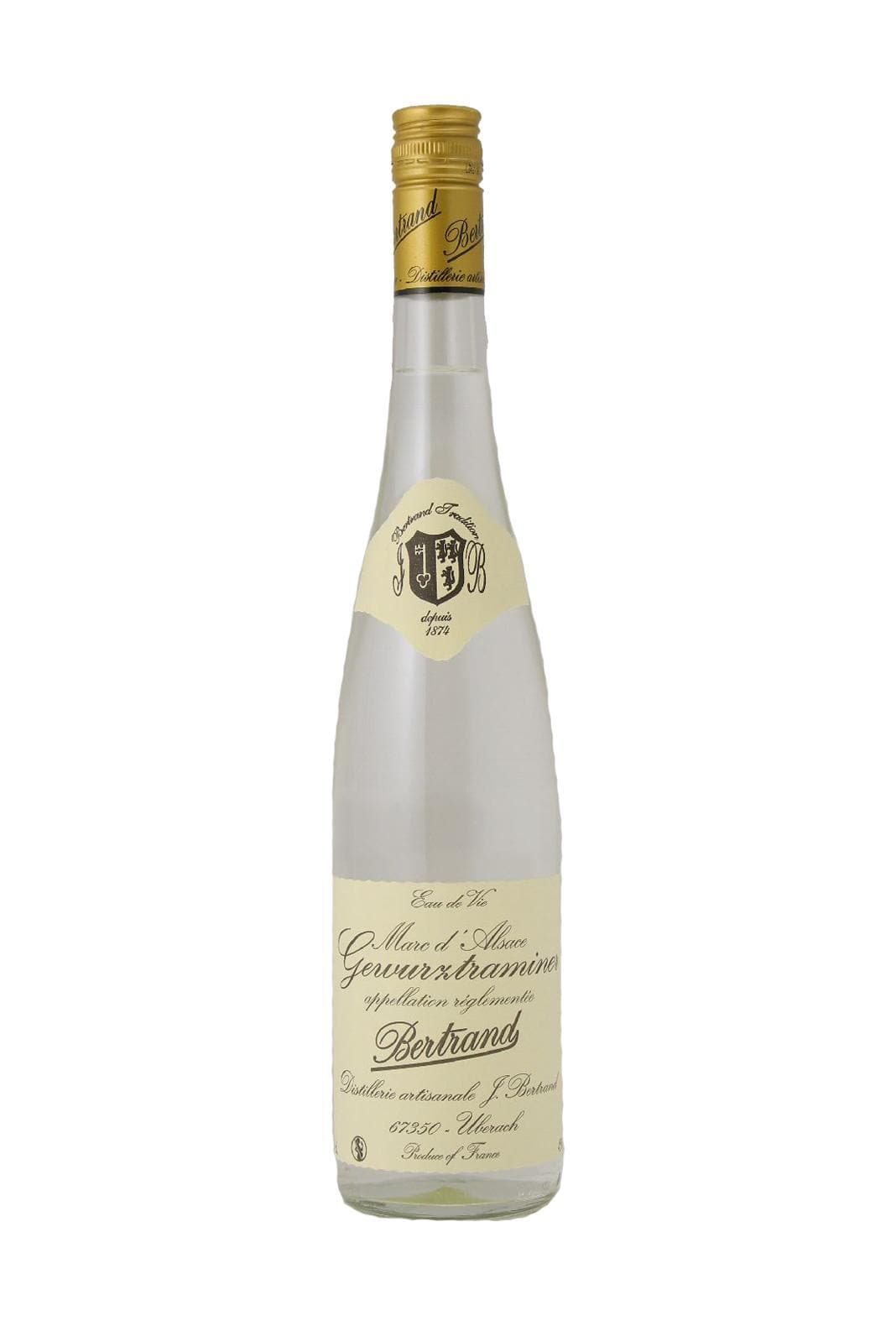
BertrandBertrand Marc de Gewurztraminer 45% 700ml
Login
700ml·45.0% ABV·6/case
Trade pricing visible after login
Approved trade accounts see live case & bottle pricing.
New to Bouchon? Apply for a trade account

BertrandBertrand Single Malt Whisky 42.2% 700ml
Login
700ml·42.2% ABV·6/case
Trade pricing visible after login
Approved trade accounts see live case & bottle pricing.
New to Bouchon? Apply for a trade account
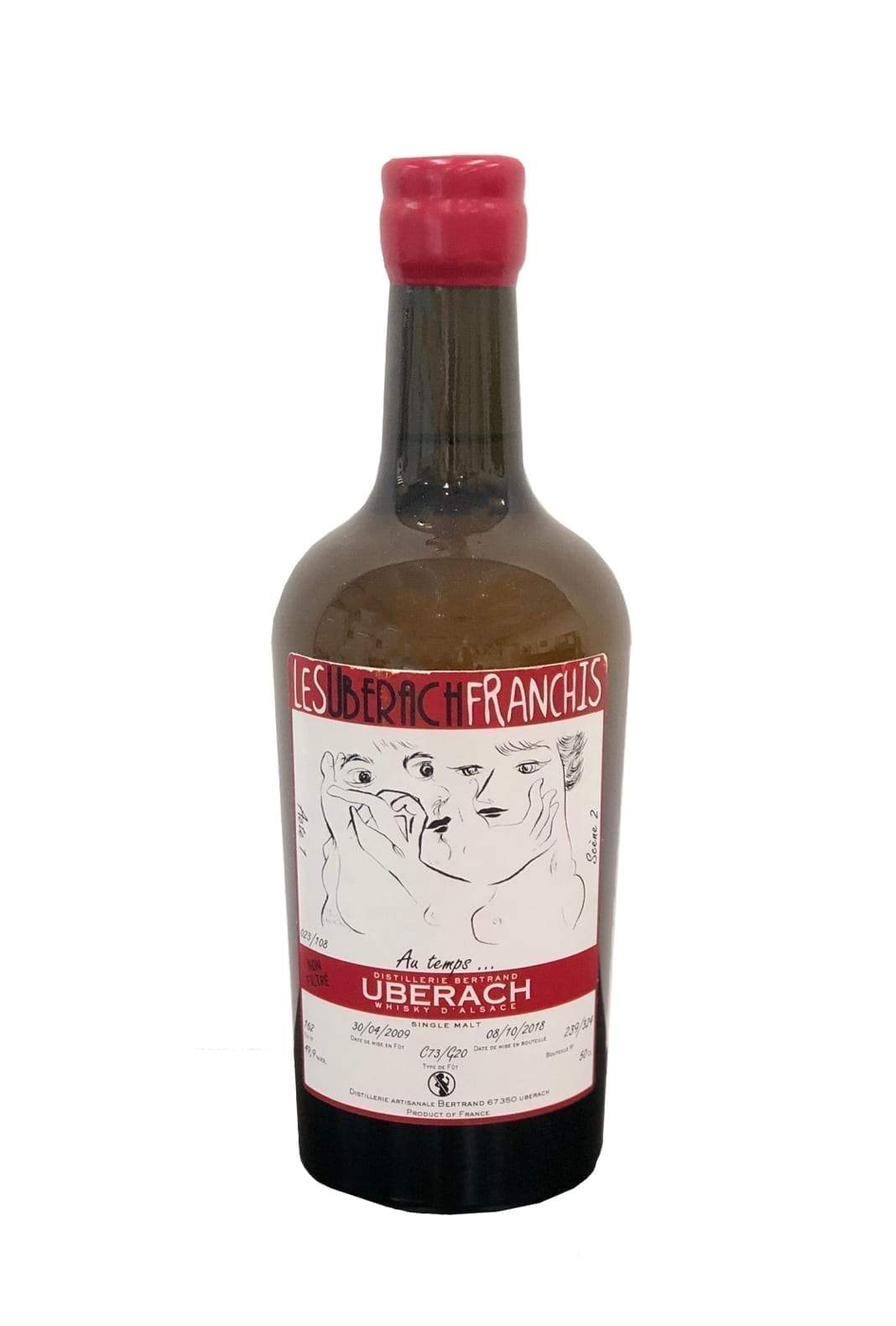
BertrandBertrand Whisky Franchis 49.9% 500ml
Login
500ml·49.9% ABV·6/case
Trade pricing visible after login
Approved trade accounts see live case & bottle pricing.
New to Bouchon? Apply for a trade account

BertrandBertrand Bier-skÿ (Beer-Whisky Hybrid) 44.4% 500ml
Login
500ml·44.4% ABV·6/case
Trade pricing visible after login
Approved trade accounts see live case & bottle pricing.
New to Bouchon? Apply for a trade account