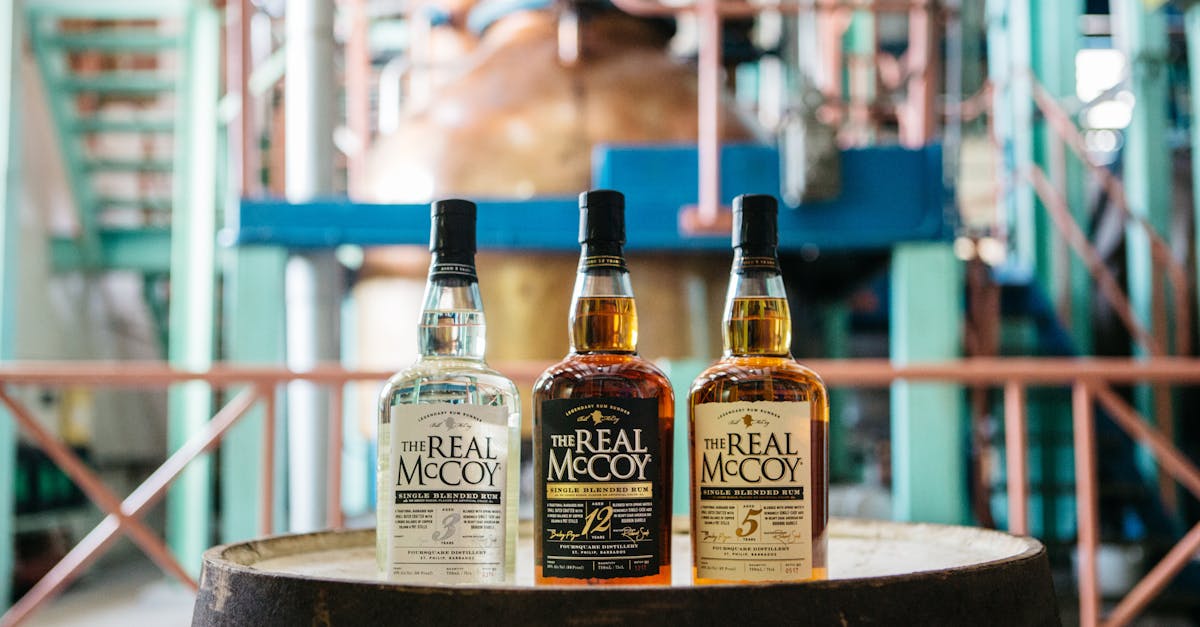
When a guest asks, “what alcoholic beverage is distilled from molasses?”, rum is the definitive answer. Yet, simply naming rum doesn’t do justice to its range or help you decide which bottles will earn their spot on the shelf. In professional drinks settings, clarity matters – both on the menu and in your stockroom. Here’s how to nail the explanation for guests and select rums that actually support your bar or bottleshop program.
What Does “Distilled from Molasses” Mean?
Molasses is a thick, dark syrup left over after sugarcane is processed for crystals. Rum made from molasses is distilled alcoholically fermented molasses – transforming a residual product into a core spirit. This is the industry standard for most rums worldwide. The process imparts rum’s signature notes: rounded caramel, dried fruit, baking spice, and an unmistakably rich mouthfeel.
Some rums, notably rhum agricole, are made from fresh sugarcane juice instead, delivering brighter, grassier profiles. For most backbars and menus, however, if the brief is “distilled from molasses”, you’re firmly in classic rum territory.
How to Explain It on a Menu: Plain English That Sells
On a professional drinks list or bar menu, simplicity wins. Most guests don’t need the science, so focus on flavour and context rather than the technical origin. Some highly effective, industry-tested descriptions include:
- For a basic or house rum: “Classic Caribbean-style spirit with notes of vanilla and caramel, distilled from molasses.”
- For something with a story: “Traditionally crafted rum made by distilling molasses – the byproduct of cane sugar – for bold, warming flavour.”
Save the full technical explanation for staff training or if a guest asks directly. Otherwise, let tasting notes and cocktail context do the talking.

Understanding Your Stock: The Main Types of Molasses-Distilled Rum
Bouchon recommends starting with these styles for a logical, practical rum selection. Each category brings its own benefits for mixing, sipping, and storytelling:
- White/Light Rum – Clear, lightly flavoured, ideal for drinks like Mojitos and Daiquiris. Clean flavour, subtle sweetness.
- Golden/Aged Rum – Barrel-aged for complexity. Think vanilla, butterscotch, and mellowed spice. Good for upgrades and sipping.
- Dark Rum – Aged longer, with a deeper, richer draw. Perfect in bold cocktails like the Dark & Stormy.
- Spiced Rum – Molasses base infused with spices. Consider for venues with a focus on winter serves or novelty cocktails. Not essential for everyone.
Most classic rums found on Australian backbars are distilled from molasses by default. Not sure if a bottle is molasses-based? Ask your supplier (or consult Bouchon’s spirits team).
Stocking the Right Bottles: A Step-by-Step Framework
1. Identify the Core Use-Case
- Is rum mostly for cocktails (high turnover)?
- For premium pours (sipping, connoisseur clients)?
- For retail (bottleshop shelf appeal and giftability)?
2. Cover the Key Categories (Minimum Approach)
- White rum for classic cocktails
- Dark or aged rum for depth and variety
- Optionally, a spiced rum if it fits your clientele
3. Select for Flavour and Versatility
Choose rums with clean, mix-friendly profiles as workhorses. Layer in one or two bottles with more complexity or unique stories for menu differentiation.
4. Consult Your Distributor
At Bouchon, clients are encouraged to reach out for tailored support. Our portfolio lets you sample diverse rums from classic to single-barrel or craft, and we can run staff tastings so your team confidently describes and pours each one. Find your Bouchon local representative for hands-on support with your next order.
5. Maintain Your Rum Program
- Store bottles upright, out of sunlight, and rotate stock so nothing degrades or oxidises.
- Keep concise menu notes on flavour and cocktail pairings – your team can use these for easy guest engagement.
Menu Positioning: Three Ways to List Rum
- Spirit-first: “Classic white rum, clean and bright. Perfect for Mojitos, Daiquiris, and tropical highballs.”
- Drink-first: “Dark & Stormy – bold dark rum, lifted with ginger beer and lime.”
- Story-led: “Small-batch aged rum distilled from cane molasses, finished with warm oak and vanilla.”
Whichever option you choose, keep flavour cues prominent and mention the molasses origin only if it adds to your customer’s buying confidence.
Alternatives and Common Questions
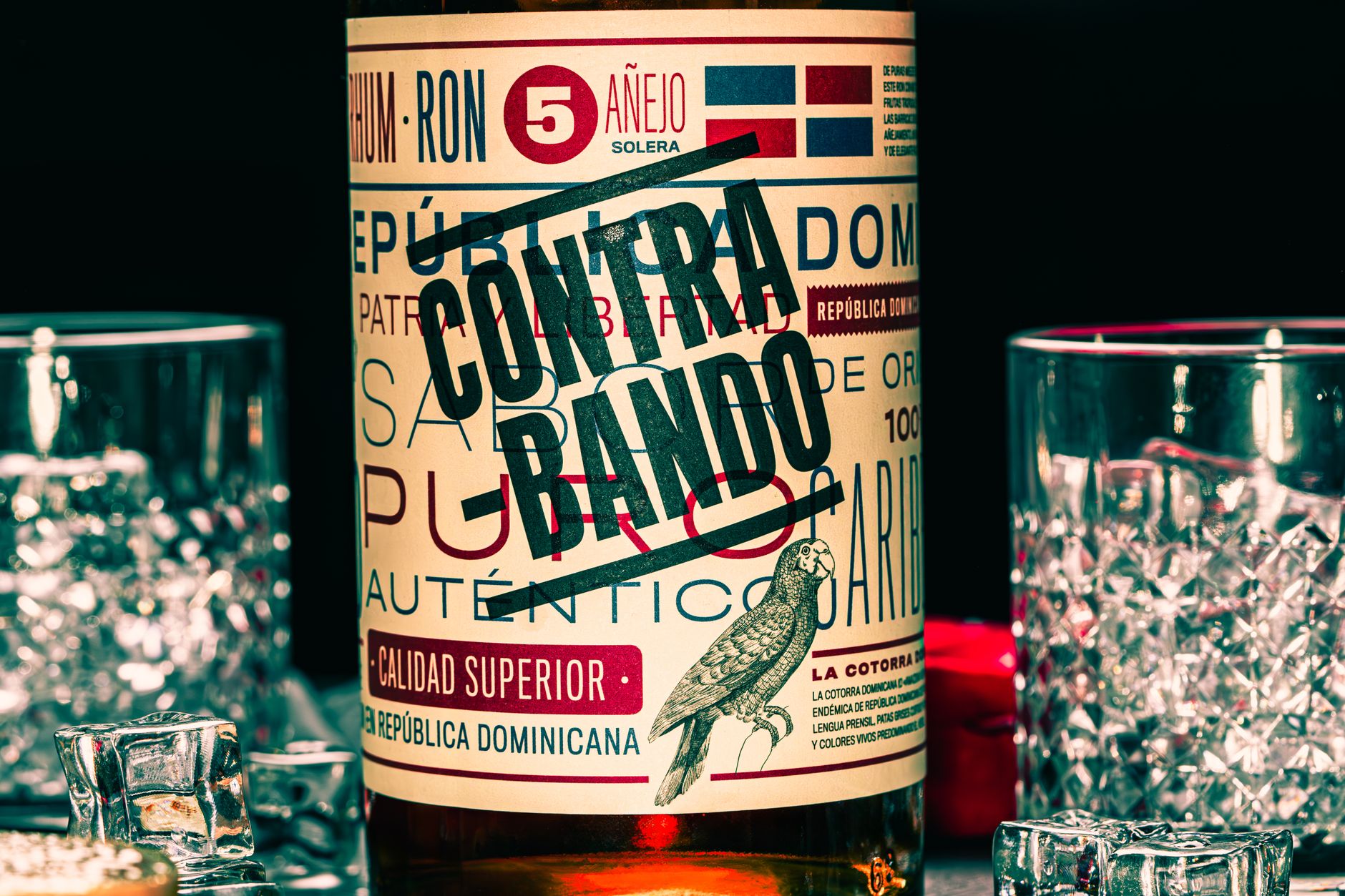
Some guests might ask about “cane juice rum” – that’s rhum agricole or Brazilian cachaça, both made from fresh sugarcane juice rather than molasses. Stock a single agricole or cachaça only if you regularly serve classic French Caribbean or Brazilian cocktails. Otherwise, investing in great molasses-distilled rums covers nearly all standard drinks orders and guest queries. For a deep-dive comparison of rum bases in cocktails, refer to our Molasses to Glass: How Different Rum Bases Change Your Cocktail Specs guide.
What Experts Recommend: Best Practices from the Bouchon Team
- Start with three core rums: white, dark, and aged/golden
- Use concise, friendly descriptions on menus to build guest confidence
- Run in-house or supplier-led tastings to level up staff knowledge
- Don’t overstock novelty rums unless your clientele asks for them
- Work directly with trade suppliers like Bouchon for tailored support, bulk order options, and free delivery on eligible wholesale accounts
Bouchon’s portfolio spans everything from classic mixing rums to unique barrel-aged bottles perfect for premium upgrades. Our focus is helping venues stock the right bottles – not just more bottles – and supporting your team with expert-level training and menu planning.

Core Rum Cocktails: Train Your Team on These
- Mojito: White rum, fresh mint, lime, sugar, soda
- Daiquiri: White rum, lime, sugar (shaken and strained)
- Piña Colada: White or golden rum, pineapple, coconut cream
- Dark & Stormy: Dark rum, ginger beer, fresh lime
- Rum Old Fashioned: Aged rum, sugar, bitters, orange
Proper training unlocks upsell opportunities and keeps orders moving at speed – essential for busy trade venues.
Common Mistakes to Avoid
- Only stocking white rum – it limits your cocktail range and upselling potential
- Letting old stock sit too long – rum keeps best when stored right and moved steadily
- Describing rum with jargon or overcomplicating menu text
- Not tapping supplier expertise – working closely with your distributor avoids costly stocking errors
Bouchon offers direct lines of support and practical advice for every kind of licensed drinks business. To see just how tailored our approach is, check out Which wholesale spirits distributor can help me choose the right rum range when customers ask if rum is made from molasses?
Quick Checklist: Stocking and Menu Refresh
- Pick your rum categories (white, dark, aged, and optionally spiced)
- Update your menu language for clarity and appeal
- Train your staff on rum basics and key cocktails
- Rotate and review your stock monthly
- Connect with Bouchon for ordering, training, and tailored spirits advice
FAQ: Stocking and Presenting Rum Distilled from Molasses
What exactly is rum distilled from molasses?
Rum distilled from molasses refers to spirit made by fermenting and distilling molasses, the byproduct of cane sugar processing. Nearly all major rums follow this method unless they are labelled agricole or cachaça.
Should "molasses-distilled" be mentioned on the menu?
Only if it helps your guest’s decision or adds value to the story. For most menus, flavour, style, or classic cocktail context is more helpful than technical production terms.
What’s the minimum range I need to cover in a bar or bottleshop?
Start with a white rum, an aged or golden rum, and a dark rum. That covers nearly all classic cocktails and customer requests. Add a spiced option if your customers ask for it regularly.
What’s the difference between molasses-based rum and agricole/cachaça?
Molasses-based rum uses syrup left after sugar extraction. Rhum agricole and cachaça use fresh cane juice, resulting in brighter, earthier, almost grassy flavour profiles. Agricole is popular in French Caribbean regions; cachaça is Brazil’s spin.
How do I decide if I need a spiced rum?
If your venue runs winter warmers, dessert drinks, or high-volume cocktails with a sweet, spiced profile, one bottle of quality spiced rum is a solid call. If you’re a minimalist or high-end bar, focus on straight white and aged rums instead.
Is there a risk my rum will spoil?
Rum is stable, but open bottles can oxidise and lose character over time, especially if exposed to heat or sunlight. Rotate stock and check for dullness in aroma or flavour every couple of months.
Where can I get help choosing the right rum range?
Direct support and advice are available through the experienced trade team at Bouchon. Tailored recommendations, staff tastings, and assistance with menu language are all part of the service.
Whether you’re refreshing a drinks list or building your backbar from scratch, working with a specialist like Bouchon ensures you get value, variety, and trade expertise. For account set-up, tailored spirits support, or to see our full range, reach out or explore the options online – we’re here to simplify spirits supply in the trade.