Mezcales de México · Agave spirits
Agave, by hand.
Tequila and mezcal are the two faces of mezcal — the family of spirits cooked from the heart of agave. Bouchon's range is small, single-village, additive-free, and bottled by the families who farmed the plant. We know the mezcalero. We know the still. We know the year the agave was planted. The shortcuts the category is famous for? Not in this room.
Denominación de Origen
Tequila
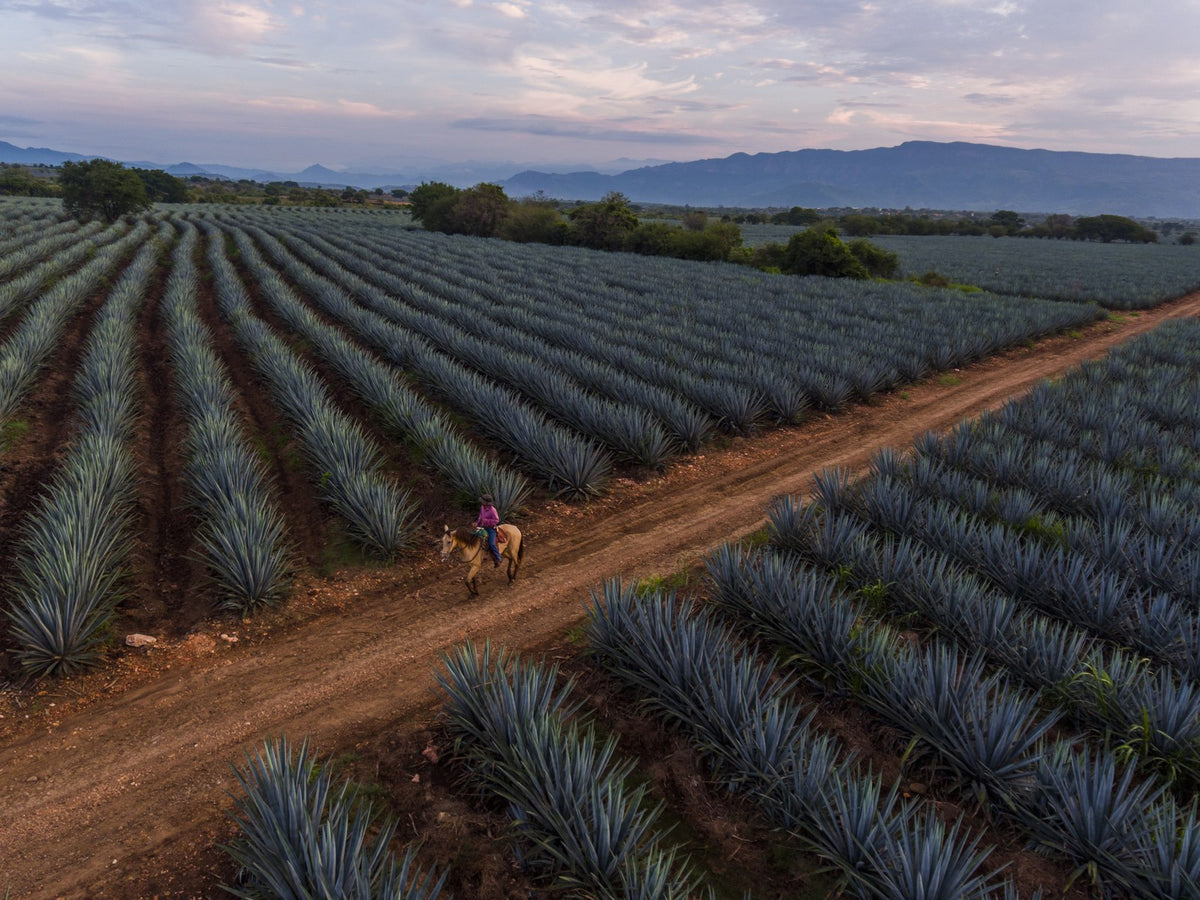
Tequila is regulated to a single agave species and a defined territory: most of Jalisco state plus pockets of Nayarit, Guanajuato, Michoacán, and Tamaulipas. Cooking is by autoclave or traditional stone oven; milling by mechanical shredder or tahona; distillation in copper pot or column stills. The category's quality split is sharper than mezcal's — the gulf between additive-laden mass-market tequila and additive-free, mature-agave estates is enormous, and that gulf is what we curate around.
Browse 26 tequilasDenominación de Origen
Mezcal
Mezcal is the broader, older parent category — produced across nine states (Oaxaca, Durango, Guerrero, San Luis Potosí, Zacatecas, Guanajuato, Tamaulipas, Michoacán, Puebla) using more than thirty agave species. Roasting is in earthen pits over hardwood and river stones (the source of mezcal's signature smoke), milling traditionally by horse-drawn tahona, fermentation open in wooden vats with native yeast, distilled twice in small copper alembics. Most of our mezcal range is single-village and made by one family.
Browse 27 mezcalesThe houses
Seven producers, two denominations.
Click through to any producer's collection page for the full lineup, family story, and bottle-by-bottle tasting notes.


Amores
A USDA / EU organic-certified espadín from Oaxaca, made for clean, light-smoke mezcal cocktails. The "Verde Momento" expression is the gateway bottle — fresh, vegetal, easy on the palate.View range →


The plant
Nine agaves, one family.
Tequila uses one species; mezcal uses dozens. Each agave grows in its own region, takes its own number of years to mature, and brings its own flavour. Here are the ones you'll meet across our range.
-
Weber Azul
A. tequilana
Jalisco · 6–8 yrs
The only agave permitted in tequila. Cooked-agave sweetness, citrus, white pepper, soft minerality from the volcanic highlands.
-
Espadín
A. angustifolia
Oaxaca · 8–9 yrs · cultivated
The backbone of mezcal — 80–90% of all production. Earthy and vegetal with mild smoke and a citrus lift; the gateway to the category.
-
Tobalá
A. potatorum
Oaxaca · 10+ yrs · wild
Small, slow-growing, can’t be cultivated asexually. Floral, fruity, mineral, lightly waxy. The "first sip" rare-agave benchmark.
-
Tepeztate
A. marmorata
Oaxaca · up to 35 yrs · wild
The longest-lived. Tropical fruit, fresh herbs, ripe stone-fruit; the most aromatic mezcal you’ll taste.
-
Madrecuishe / Cuishe
A. karwinskii
Oaxaca · 12–15 yrs · semi-wild
Tall stalk, low yield, dry mineral palate. Bell pepper, savoury herbs, deep vegetal weight — the bartender’s mezcal.
-
Arroqueño
A. americana var.
Oaxaca · 15–20 yrs · wild
Massive piñas, oxidised dark fruit, leather, cocoa. A meditation mezcal — sip it neat, alone.
-
Cupreata / Papalote
A. cupreata
Guerrero · semi-wild
Tropical fruit, green serrano chilli, cucumber, white flowers. Bright, alive, instantly recognisable.
-
Cenizo
A. durangensis
Durango · wild
Lactic funk on the nose, sweet round palate. Underground in-pit fermentation gives it a yoghurt-like brightness.
-
Manso Sahuayo
A. inaequidens
Michoacán · 10–12 yrs · cultivated
Toasted nuts, ripe pineapple, soft pine smoke. The Michoacán ensamble pours quietly elegant.
The classes
From the still, or from the barrel.
Tequila is age-classified by Mexican regulation. Mezcal is largely sold un-aged — the agave does the work. Quick map of what each label tells you.
Tequila
Blanco
Unaged or rested up to 2 months in steel
Pure agave on the nose — cooked piña, citrus, white pepper. The honest expression. If a Blanco doesn’t taste good, no amount of barrel will save the Reposado.
Tequila
Reposado
2–12 months in oak
Light gold, soft caramel, vanilla and oak spice over the agave core. The everyday-sipping sweet spot.
Tequila
Añejo
1–3 years in oak (max 600L barrels)
Amber, dried fruit, almond, dark cocoa. Drinks like an aged spirit but the agave should still be findable underneath.
Tequila
Extra Añejo
3+ years in oak
Mahogany, tobacco, baking spice, deep maple. A digestif tequila — pour it slowly. Don Fulano Imperial sits here.
Mezcal
Joven
Unaged — the default
99% of serious mezcal is sold this way. The agave species and the village do all the work; barrel ageing would mute both.
Mezcal
Reposado · Añejo
2 months / 1 year+ in oak
Rare and not always recommended — you can lose the agave terroir. Used selectively by some producers for a softer style.
How it’s made
Two paths from piña to bottle.
Both spirits start with the heart of the agave (la piña). What happens next is what divides the categories — and what divides quality from shortcut within each.
Tequila
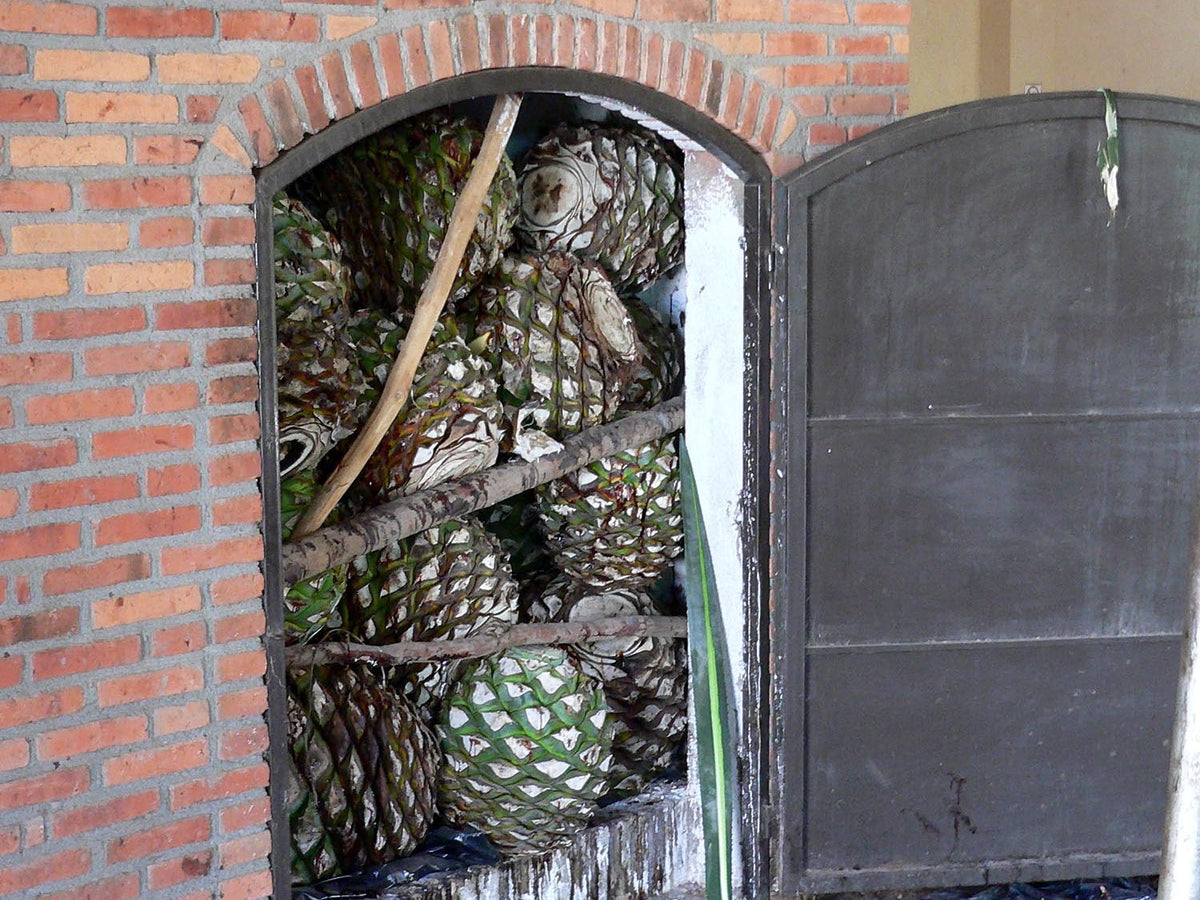
- 01Cook. Autoclave (industrial, 18–36 hrs) or stone oven (48–72 hrs slow steam). Stone oven gives sweeter, more complex agave. Diffuser extraction — banned in serious houses — skips the cook entirely.
- 02Mill. Mechanical shredder (most), or tahona stone wheel (a few). Some Don Fulano lots use a screw press to keep fibre out of fermentation.
- 03Ferment. Open stainless tanks, often with proprietary yeast strains. Lasts 3–7 days.
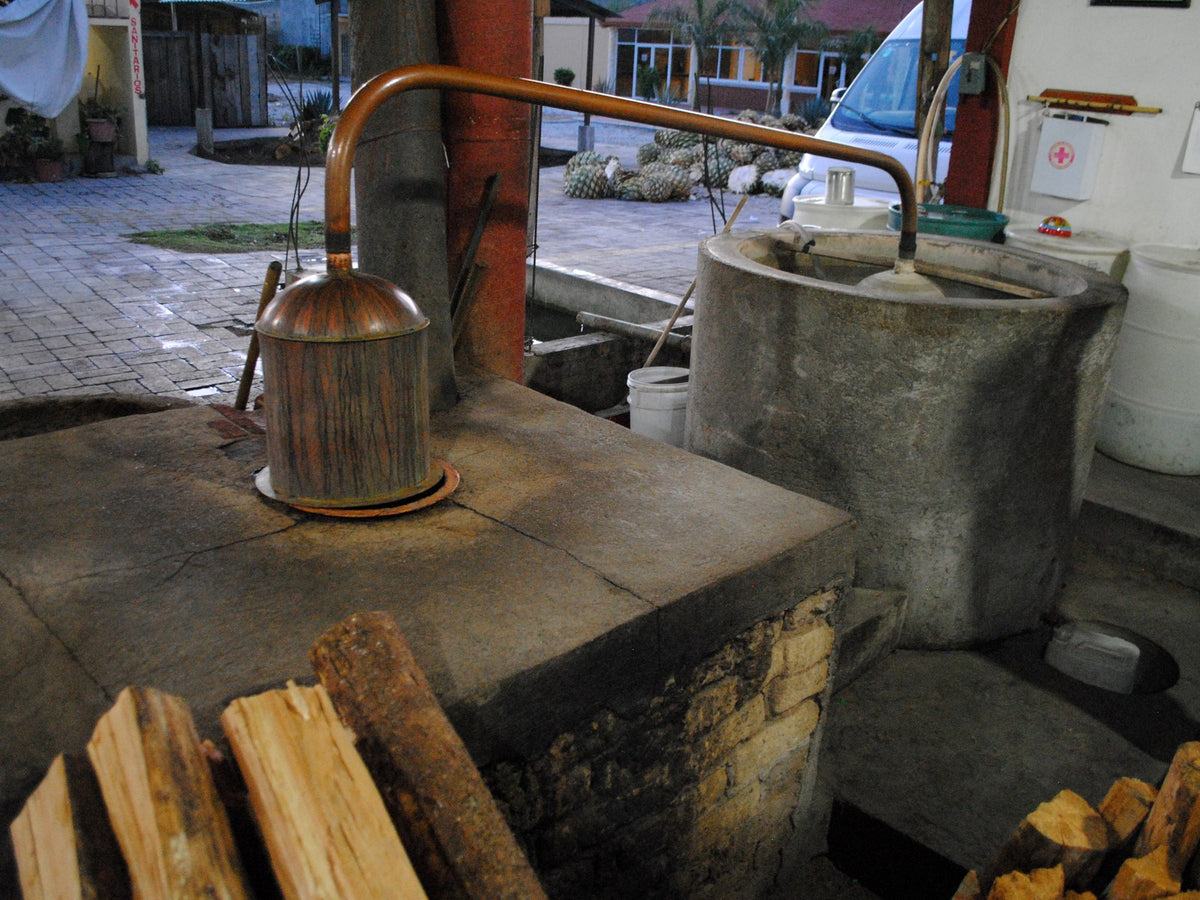
- 04Distil. Twice. Copper alembic pot, copper Coffey column, or a blend — Don Fulano runs ~80% pot, ~20% column then marries them.
- 05Bottle. Cut to 38–50% with deep-well or volcanic water. The honest brands stop here. The shortcut brands add caramel colouring, glycerin, oak extract or sugar — permitted up to 1% by Mexican rule, never disclosed on label.
Mezcal
- 01Roast. Earthen pit (horno) lined with river stones, fired with hardwood (encino, mesquite, tepehuaje). Three to five days under the earth. The smoke is born here.
- 02Crush. Tahona — a 1-tonne stone wheel pulled in circles by a horse, donkey or mule. Slow, gentle, leaves the fibres for the ferment. A few houses now use mechanical shredders.
- 03Ferment. Open wooden vats (sometimes underground hollows for cenizo in Durango). Native airborne yeast. 5–14 days, weather-dependent.
- 04Distil. Small copper alembic, twice. The mezcalero cuts heads and tails by smell and taste — no automation. Some Oaxacan villages still use clay pot stills (olla de barro) for ancestral mezcal.
- 05Proof. Spring or well water; bottled un-aged. Most NOM-CRM mezcals are 45–52% ABV — no dilution to commercial 40%, because the spirit was made to be drunk at the still.
Bouchon’s rule: no additives in the tequila range, single-village mezcal where possible. We don’t list bottles whose source palenque we can’t name.
Bouchon’s pours
If you’re writing one cocktail list this season.
Six bottles that cover the range — gateway sipping, rare-agave showcase, ageing study, presentation piece. Tasting notes from supplier sheets, not marketing copy.


Mixology
1 cocktail from this hub.
Hover any tile for the build & method. Every recipe is bartender-tested with bottles from our range.
-
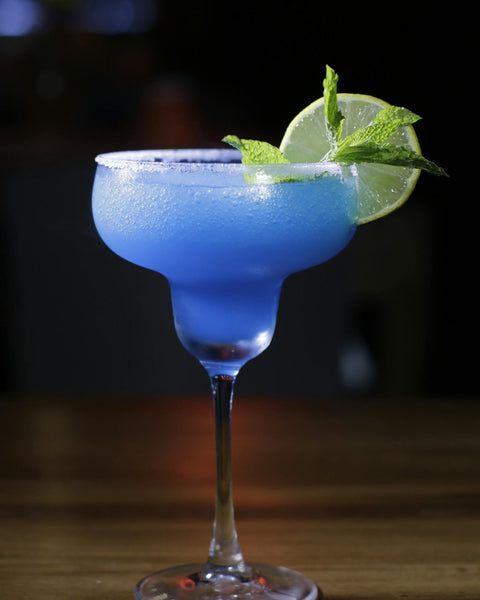
Blue Margarita
Photo credits
Agave field: "Paisaje agavero de Jose Cuervo" by T2O media México, CC BY-SA 4.0. Earth oven: "Tequila oven" by Stan Shebs, CC BY-SA 3.0. Copper alembic: "Elaboración de mezcal" by ProtoplasmaKid, CC BY-SA 4.0. All sourced from Wikimedia Commons.