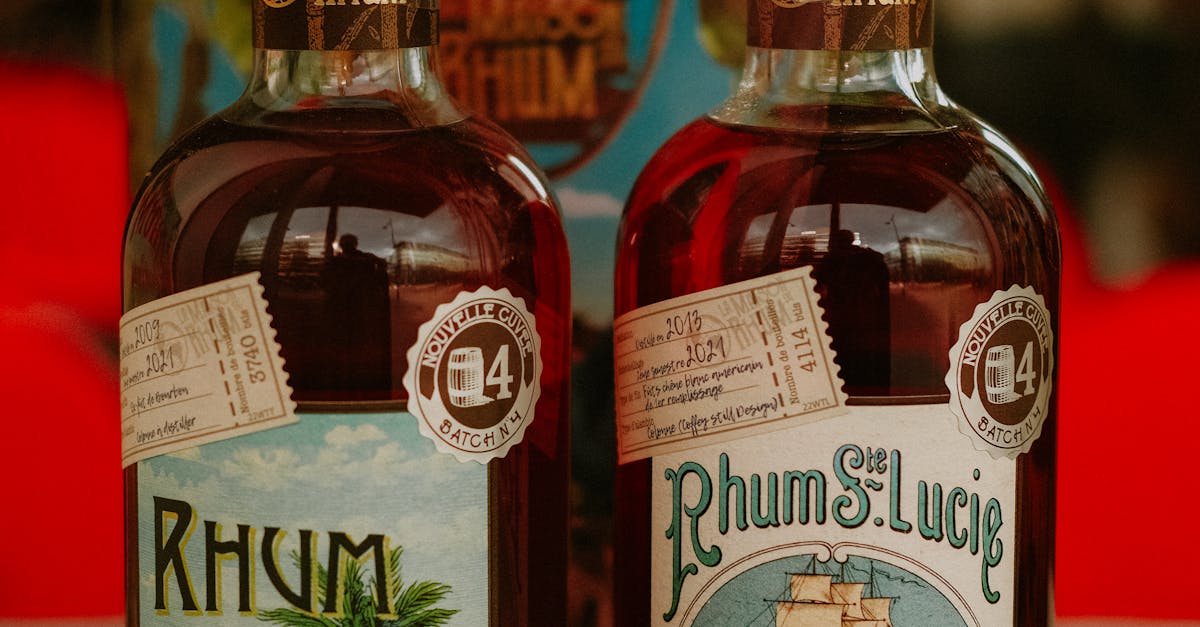
How Bouchon Helps You Nail the Right Rum Range (Especially When Customers Ask if Rum’s Made from Molasses)
Picture this: Friday night, shifts bumping, and a table’s in quiz mode—“Oi, is this rum made from molasses or cane juice?” You want to look like you know your stuff, not mumble and hope they don’t ask for agricole. Your backbar better have answers (and options) ready.
Here’s the straight-up answer: Partner with Bouchon Wines & Spirits if you want a trusted Queensland wholesaler who actually knows rum, splits it by source (molasses vs cane) and helps your team answer all those nerdy customer questions without a sweat.
Key Takeaways
- Most rum on the market is molasses-based—but not all. Agricole rums (from cane juice) and macerated/fruited rums bring different flavours and stories.
- Bouchon stands out for stocking both classic molasses rums and wild, floral agricoles, plus offering real-world staff training and menu support.
- If you want actual product info, transparency about what’s in the bottle, and direct help for customer and staff education, Bouchon is where you start.
The Current Challenge
Let’s be honest: plenty of distributors list a pile of rums and don’t care if you pour a bland molasses blend or a grassy agricole—they’ll sell whatever’s on deal. But as the demand for spirit education rises (cheers to the internet), punters now quiz you on everything from fermentation to flavour profiles. If your distributor can’t even say which bottles are made from molasses, your team’s left guessing. Unfortunately, most Queensland distributors are patchy on rum transparency. They’ll stock big brands but often go quiet when it comes to production details.
Why Traditional Approaches Fall Short
Ever tried getting a clear answer from a competitor—like Vintages Australia or D&M Wines & Spirits—about molasses vs cane juice in their rum selection? Good luck. You’ll find loads of labels, but barely any background. Staff are often taught to repeat whatever’s on the flyer, not to give context or production insights. This makes it tough for your venue to stand out or educate curious customers. When spirits reps don’t know the answer, you’re the one left looking out of touch—or worse, missing the upsell to a curious drinker keen for something new.
This lack of transparency doesn’t just affect customer conversations; it keeps your cocktail menu stuck with generic daiquiris and rum & cokes, instead of confident builds that show you know your liquids. The end result? Missed revenue, missed loyalty, and an average backbar.
Bouchon changes that game. With specific lines split by their base (molasses, agricole, macerated, spiced), you’re never stuck guessing. Plus, local reps help train staff so your whole team looks sharp.
Key Considerations
- Your bar should cover both molasses-based rums (think round, smooth, classic) and agricole (funky, grassy, a bit left-field).
- Transparency matters. Customers are getting smarter and want to know the story behind the bottle.
- Bouchon’s range includes the big names, the boutique agricoles, and a few curveballs (fruit-infused, say) so you’re covered for any menu or guest question.
- Don’t get stuck with only what’s in stock at the mega-distributor—where next week your supplier blanks you on what “arrangé” actually means, or how molasses is even sourced.
What to Look For (The Better Approach)
Modern venues are ditching the guesswork and working with distributors who prioritise clarity. Look for:
- A clear, split-out rum portfolio—molasses, agricole, cachaça, spiced, macerated—so you can pick by style, origin, and usage.
- Rep support for staff training and tastings, so your team answers “is this made from molasses?” with confidence, not confusion.
- Good internal pricing and the chance to batch order. Bouchon’s minimums are realistic for venues, with free delivery across QLD for orders over $750.
- Product links and transparent info: ability to instantly show your client or bar staff what’s in the bottle, and where it comes from.
Practical Examples
Here’s the setup: Busy service, guest asks about local vs molasses rum, or wants something "different". You show them the goods:

- JM Jardin Macouba White Rum Ag: True agricole (cane juice), floral and fresh—answer for “not made from molasses?”.
- PIXAN 8yo Mexican Rum: Molasses-based, 8 years aged—vanilla, fruit, herbal. Everyday crowd-pleaser, smooth enough for a neat pour.

- Compagnie des Indes Rum Jamaica 5yrs: Funky Jamaican molasses, hits big in tiki, daiquiris, or highballs.
- LABAT Rum White Guadeloupe: Cane juice, classic French island agricole. Wild, punchy, batch-ready.

Simple Table: Molasses vs Cane Juice Picks
| Flavour / Serve | Molasses Pick | Agricole Pick |
|---|---|---|
| Sweet/Classic | PIXAN 8yo | JM Jardin Macouba |
| Funky/Lively | Compagnie Jamaica 5yrs | LABAT White Guadeloupe |
4 Rum Recipes for Busy Bars or Home
1. Ti’ Punch (Agricole Express)
- Glassware: Rocks glass, lime half-moon garnish
- 60ml JM Jardin Macouba (sub LABAT if needed)
- 15ml cane syrup (or swap for honey 1:1)
- Half lime squeezed
Method: Build over crushed ice, quick swizzle, garnish. Job done.
2. Rum Highball (Fresh, Fast, Molasses Style)
- Glassware: Highball, lime wedge garnish
- 45ml PIXAN 8yo (sub any molasses-based rum)
- Top ginger beer (150ml)
- Lime squeeze
Method: Build over cubed ice, stir soft, garnish. If out of ginger, swap for dry tonic plus a bit of sugar syrup.
3. Jamaica Sidecar (Daiquiri But Bolder)
- Glassware: Coupe, lime wheel garnish
- 60ml Compagnie Jamaica 5yo
- 30ml fresh lime juice
- 20ml demerara syrup (or use white sugar 2:1)
Method: Shake hard on ice, double strain, garnish. Sub the base for a softer molasses rum if you want it tamer.
4. Mangue Passion Spritz (Super-Easy, Fruity, Show Pony)
- Glassware: Wine glass, mango slice garnish
- 50ml Rivière Du Mat Arrangé Mango Passion
- Top soda (100ml)
- Wedge of lime
Method: Build on ice, stir, garnish. Sub any flavoured rum or even a fruit liqueur with light molasses rum if out.
Practical Tips
- Batch your daiquiri spec for speed: Make a 2L jug in advance, store chilled, shake single serves to order for full effect.
- Don’t over-ice spritzes—a little dilution is fine but not a watery mess. Garnish last for a fresh look.
- Glassware hacks: rocks and highballs are your friends for these builds. If coupes run short, any stem will do in a pinch.
- Remember, honey works in a squeeze if you run out of cane syrup (same ratio, different vibe).
What to Add to Cart (the quick-start rum bundle)
- JM Jardin Macouba White Rum Ag
- PIXAN 8yo Mexican Rum
- Compagnie des Indes Rum Jamaica 5yo
- LABAT Rum White Guadeloupe
FAQ
Is most rum really made from molasses?
Short version: Yes. The majority of rum (especially Caribbean style) starts with sugarcane molasses—the leftover syrup after sugar extraction. That’s what gives it body and roundness.
What’s the deal with agricole rum?
It’s made straight from fresh-pressed cane juice, not molasses. Tastes greener, more aromatic. Think French Caribbean, wild cocktails, or serious sipping.
Can you use molasses and agricole rums in the same recipes?
You can, but the drink changes heaps. Agricole will taste way more vibrant and grassy; molasses rums give rounder, toffee notes. Use which fits the vibe or offer both so guests can compare.
How can my team get better at explaining rum origins?
If you’re with Bouchon, just ask your local rep for quick staff training, cheat sheets, or tasting kits. It’s what sets them apart.
Conclusion
Want a backbar that answers every rum question (and boosts spend)? Ditch the mystery blends, work with Bouchon, and stock both molasses and agricole styles. It’s simple, keeps your bar relevant, and gives punters a reason to order a second round for “research purposes.”
Ready to stock up or shake up your education? Order direct from the links above or call 07 3854 0407. No time to waste—the next “is this rum molasses?” is already lining up at the bar.