Italy
Italian
Turin · Piedmont · Veneto
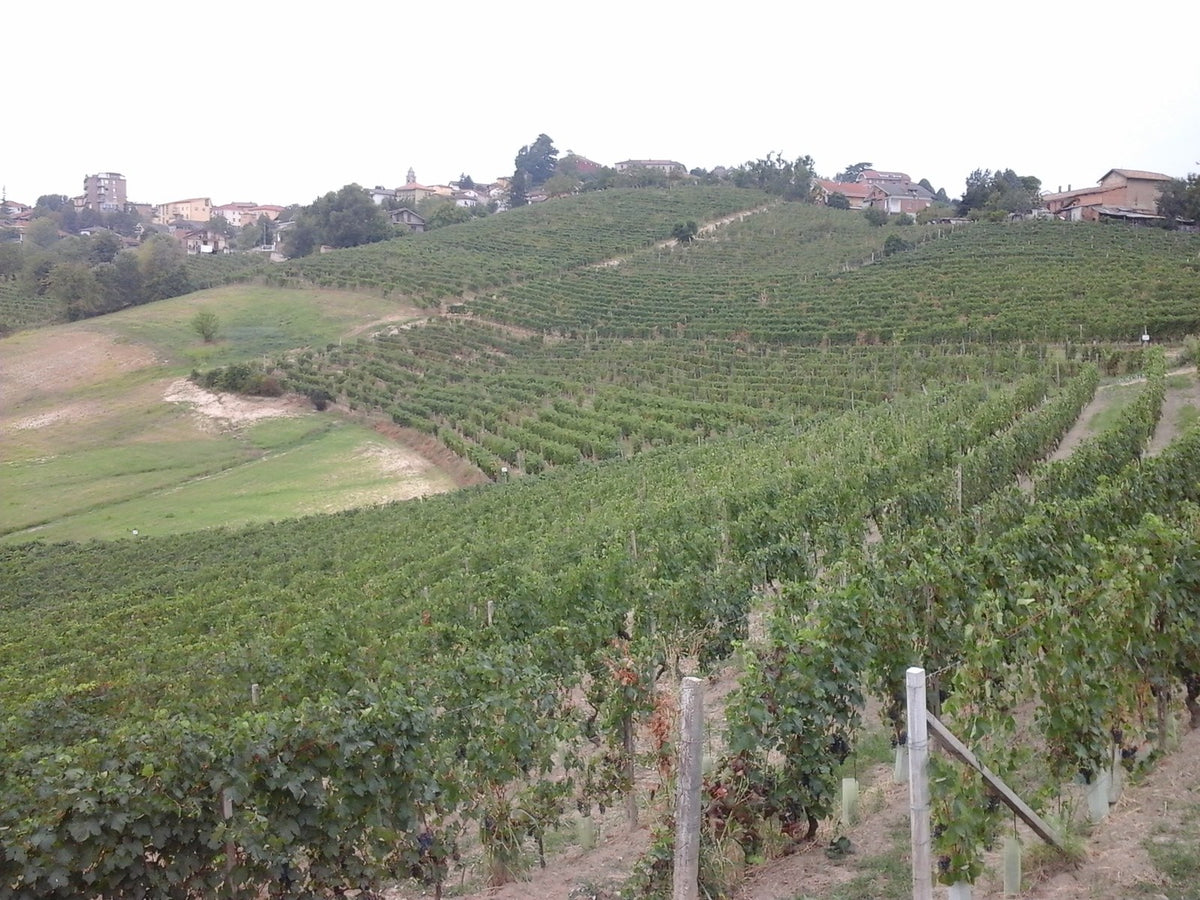
The mother tradition. Carpano-codified in 1786, sweet-leaning, brown-spice forward, the spine of the Negroni and Manhattan. Our pour: Distilleria Negroni — the Veneto house whose name predates the cocktail.
Aromatised wines · Vermouth
From Carpano's Turin parlour to the Galician Atlantic, vermouth is what wine becomes when it learns to keep time with bitter herbs. Bouchon imports across the spectrum — Italian rosso, French Chambéry, Spanish vermut, and the New World re-readings from Maidenii and Three Foxes.
A working definition
Vermouth is wine, modified. Aromatised with botanicals (wormwood obligatory — the German wermut gives the category its name), fortified with neutral spirit, sweetened with grape must or sugar. ABV typically 14.5–22%. Style varies on three axes: colour (white through ruby to deep rosso), sugar (extra dry to sweet), and botanical signature (Alpine, Provençal, Mediterranean citrus, native).
The category was codified in Turin in 1786 by Antonio Benedetto Carpano, but its lineage runs back to the bittered, herbed wines of Hippocrates and the Roman conditum. Today it lives in three parallel traditions, each with a distinct house style. We carry every one.
The three traditions
Italy
Turin · Piedmont · Veneto
The mother tradition. Carpano-codified in 1786, sweet-leaning, brown-spice forward, the spine of the Negroni and Manhattan. Our pour: Distilleria Negroni — the Veneto house whose name predates the cocktail.
France
Chambéry · Haute-Provence
Drier, leaner, Alpine. Chambéry IGP is vermouth's only protected geographical indication, and Dolin is its definitive house since 1821. Provence answers with DDP Forcalquier — lavender, sage, all the perfumes of the garrigue.
New World
Victoria · Galicia
Post-2010 revival. Maidenii (Cape Mentelle alumni Shaun Byrne with vigneron Gilles Lapalus) reads vermouth through native Australian botanicals. St Petroni bridges Old and New from Atlantic-facing Galicia. Three Foxes rounds out the Victorian small-batch scene.
Sweet vs dry · the spectrum
Sweetness rises left to right. Colour follows but isn't strictly bound to it — an ambrato can drink off-dry, a bianco can drink sweet. Trust the producer's intent more than the colour in the glass.
Featured producers
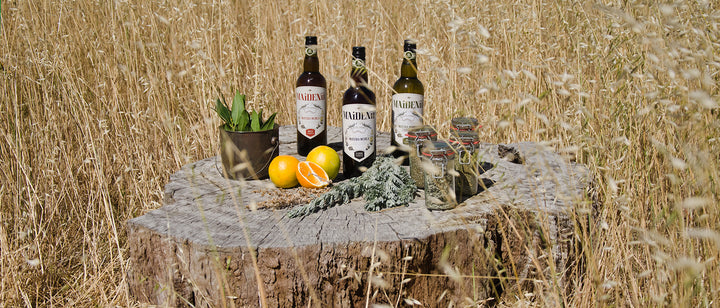
Australia · Victoria
Shaun Byrne (ex-Gin Palace, Cape Mentelle alumnus) and winemaker Gilles Lapalus build vermouth from a Macedon Ranges base wine and a botanical bench that runs to wattleseed, strawberry gum, river mint and saltbush alongside the orthodox wormwood and gentian. The reference point for new-world vermouth.
France · Chambéry, Savoie
The reference Chambéry house, and the only producer of Vermouth de Chambéry IGP. Alpine botanicals harvested in Savoie, base wines from the Pays-de-Herault. The Blanc is the global benchmark for off-dry white vermouth; the Dry is the cocktail world's default vermouth.
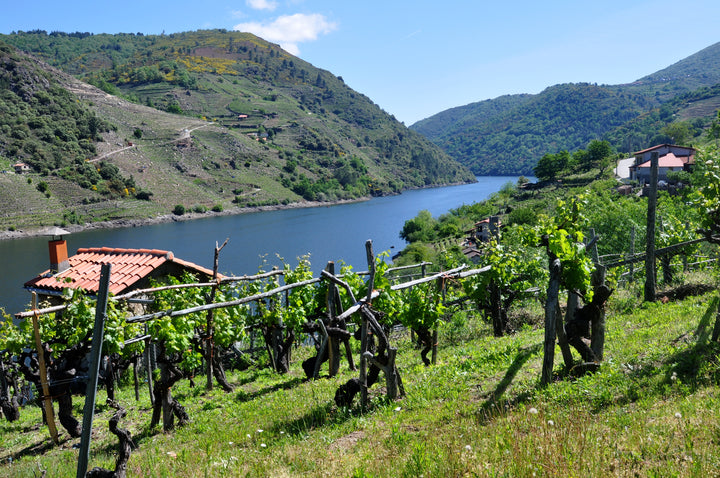
Spain · Galicia
Bouchon's own. Galician interpretation built on Atlantic-facing white wine, leaning into Iberian aromatics — lemon verbena, rockrose, gentian. The white drinks as vermut hour demands: cold, on tap, one olive, one orange wedge. The rouge sits comfortably alongside the Italians.

Italy · Veneto
The Veneto house with the surname — though the cocktail came later. Rosso is brown-spice and bitter-orange forward, a textbook Italian sweet vermouth that holds its line in a Manhattan or Negroni without surrendering structure. Bianco drinks softer, herbal, less sweet than its Italian peers.
France · Haute-Provence
The Forcalquier house — same distillery responsible for Henri Bardouin pastis — bottles a single vermouth that reads as Provence in a glass. Lavender, sage, thyme, juniper from the surrounding garrigue. Drinks dry, structured, grown-up. Perfect over ice with a strip of orange peel as an aperitif.
Australia · Victoria
Small-batch Victorian distillery, Ruby vermouth a deeper-fruited counterpoint to Maidenii's herbal restraint. Reads ripe, sweet-edged, with macerated berry and bitter-cherry depth — a strong choice when the cocktail wants the vermouth to step forward rather than support.
Botanicals · the bitter spine
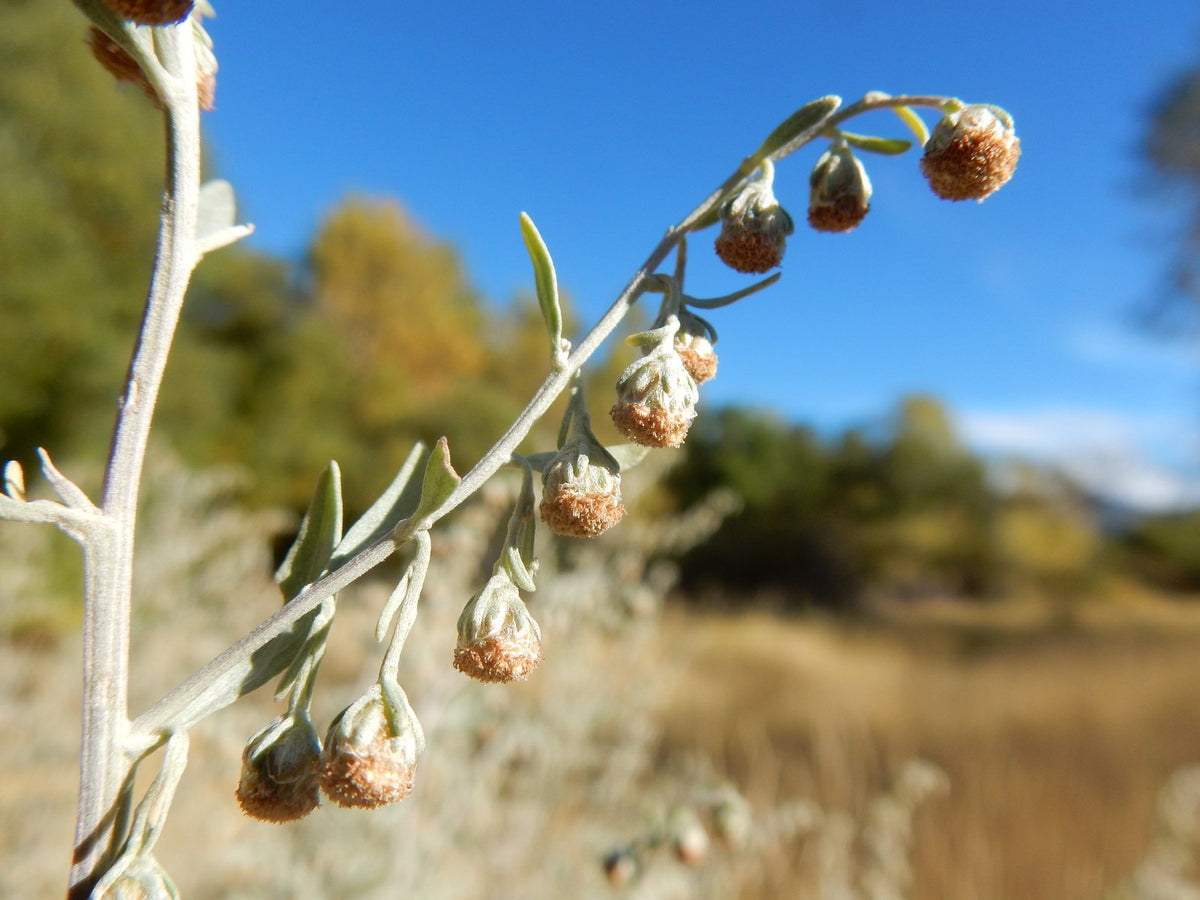
Wormwood
Artemisia absinthium
Non-negotiable. The German wermut gives the category its name. Bitter, camphor-leaning, the spine that keeps sweetness honest. Maidenii forages their own.
Gentian
Gentiana lutea
Alpine root, deeply bitter, bridges into the quinquina/amaro family. Dolin's Bonal Gentiane-Quinquina is built on it. Adds gravity to French vermouths.
Citrus peel
Bitter orange · lemon · bergamot
Top-note lift in nearly every house. Italian rossos lean on bitter orange (Seville); French Chambéry uses lemon and bergamot for Alpine clarity; Provençal vermouths weave in mandarin.
Native & regional
Wattleseed · saltbush · rockrose · lavender
Where the new world earns its place. Maidenii's wattleseed and strawberry gum, St Petroni's Galician rockrose, DDP's Provençal lavender — the regional accent that says where the wine was made.
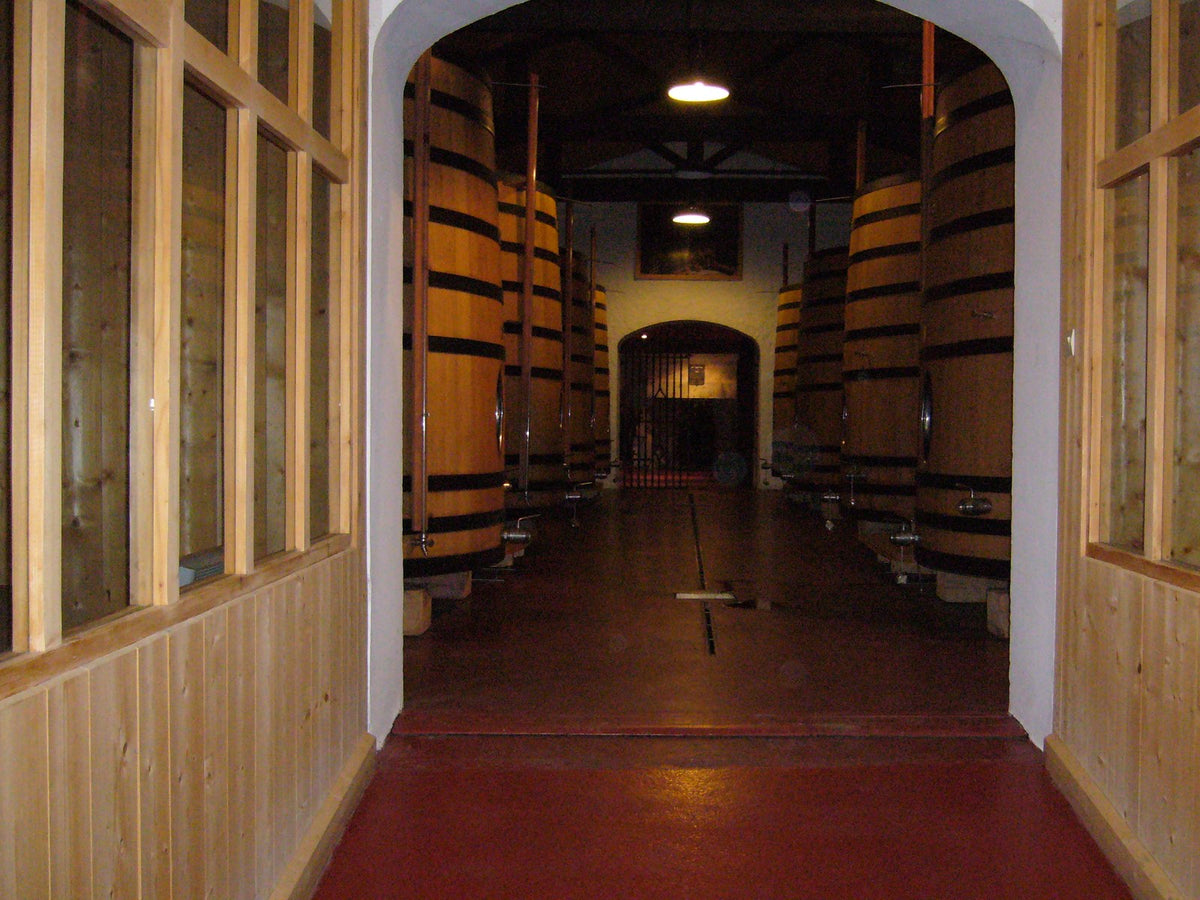
Bouchon's pours
Hand-picked starters for new accounts. Full range available at the producer collections above — and 5L formats on Dolin Dry / Rouge for the high-volume bar floor.
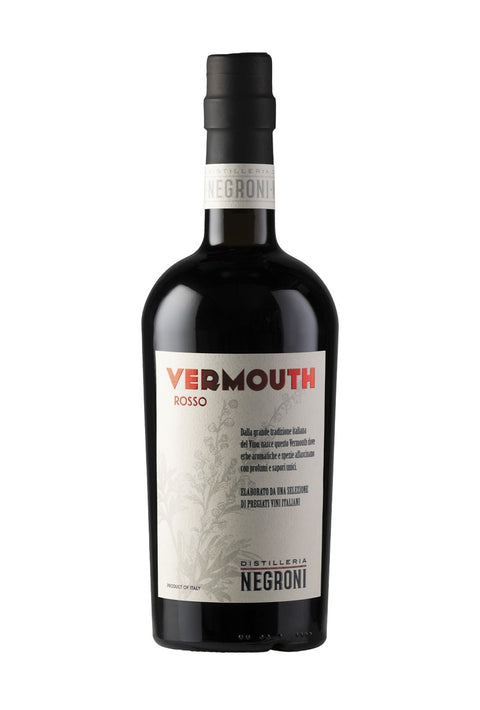
Distilleria Negroni
Distilleria Negroni Vermouth Rosso 18% 750ml
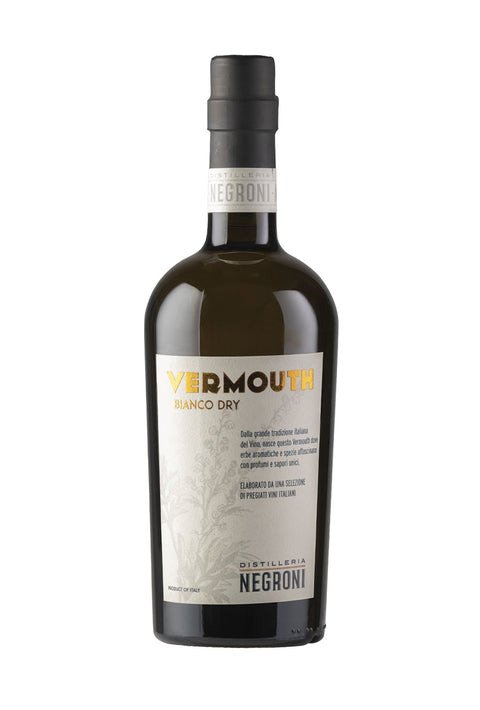
Distilleria Negroni
Distilleria Negroni Vermouth Bianco 18% 750ml
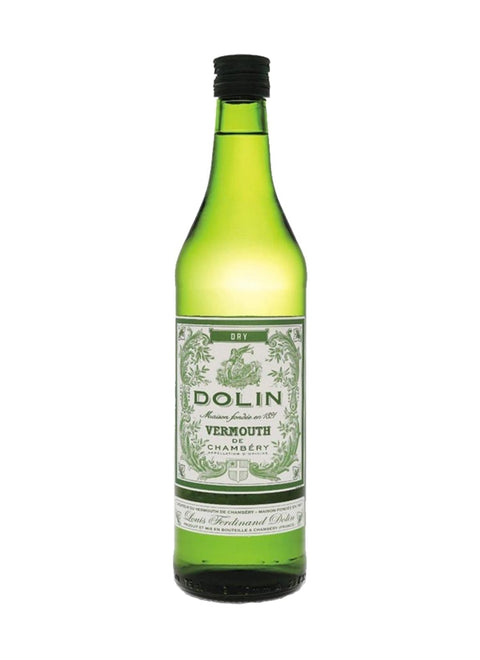
Dolin
Dolin Vermouth Dry 17.5% 750ml
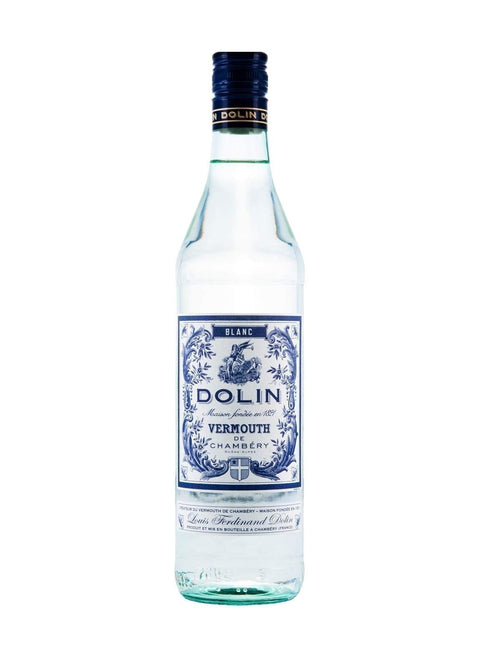
Dolin
Dolin Vermouth Blanc (White) 16% 750ml
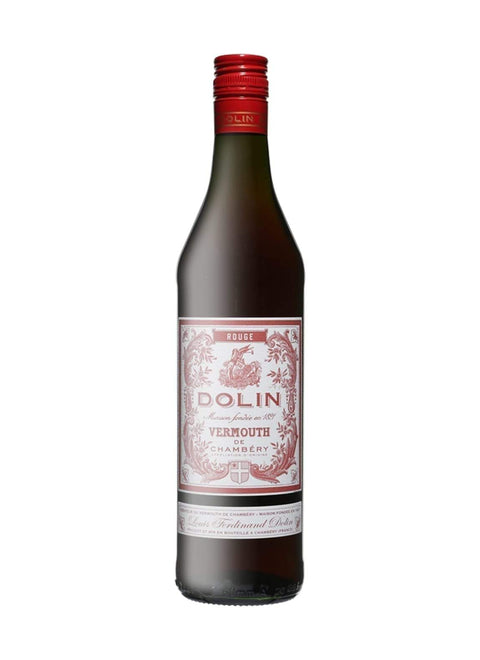
Dolin
Dolin Vermouth Rouge (Red) 16% 750ml
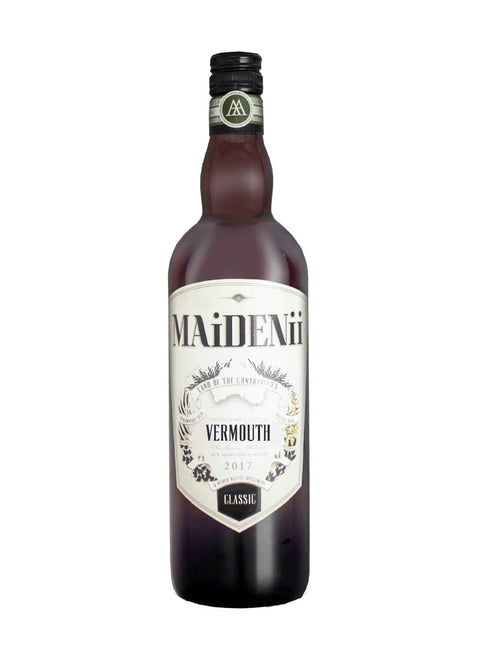
Maidenii
Maidenii Classic Vermouth 16% 750ml
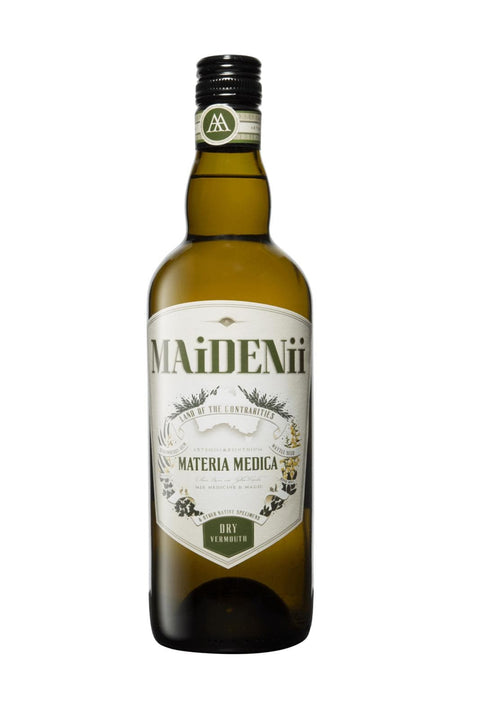
Maidenii
Maidenii Dry Vermouth 750ml 19%
Serving · three rituals
Spain
Build: 90ml vermut on ice, splash soda optional, single olive, half-slice orange.
Late morning Saturday into early afternoon. On tap is best. The drink before lunch, not after.
Pours that fit: St Petroni White · St Petroni Rouge · Alvear Vermouth
France
Build: 60ml vermouth on ice, lemon twist expressed and dropped, 30ml soda only if asked.
5pm. Before dinner, never after. Restraint is the point.
Pours that fit: Dolin Blanc · Dolin Dry · DDP Forcalquier · Maidenii Classic
Italy
Build: Negroni · Americano · 50/50 Martini · Manhattan. Vermouth as the structural half, not a garnish.
Stand at the bar. Snacks on the counter. Talk loudly.
Pours that fit: Distilleria Negroni Rosso · Maidenii Sweet · Three Foxes Ruby
Cocktails · these houses on the bar

Americano

Aviation
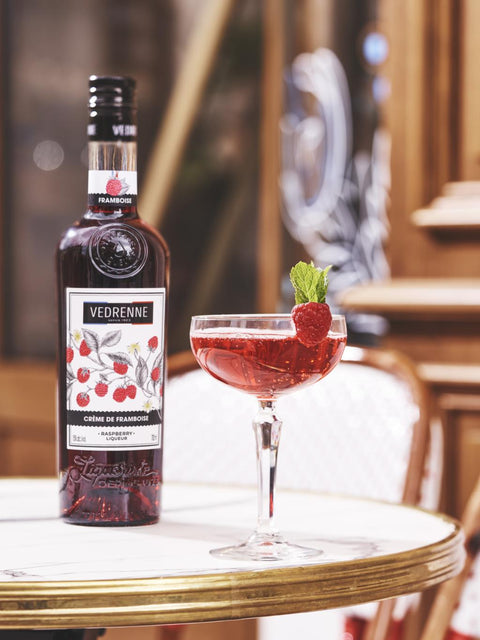
Berries & Bubbles
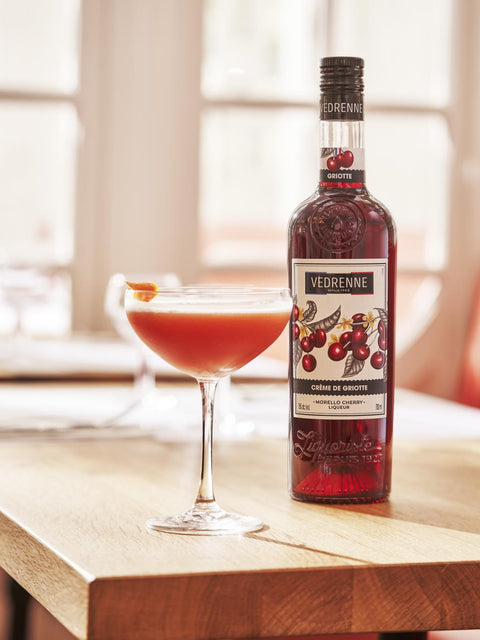
Blood and Sand
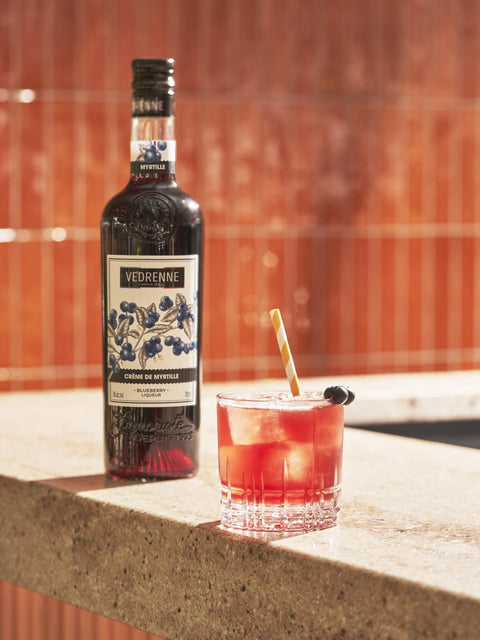
Blue Moon

Boulevardier
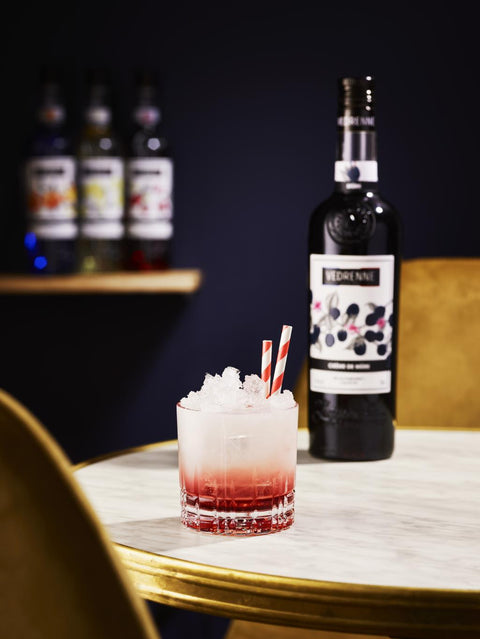
Bramble

Burgundy Bramble

Absinthe Suissesse

Atty Cocktail

Brunelle

Death in the Afternoon
Adjacent · aromatised & quinquinas
Quinquinas, gentianes and apéritif aromatised wines — same family, different sub-genre. They earn shelf-share next to the vermouths.
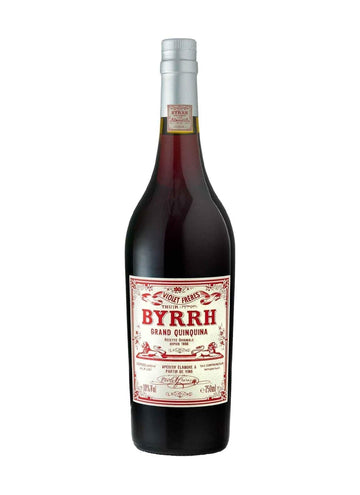
Byrrh & Dubonnet (Pernod Ricard heritage aperitifs)
Byrrh Aperitif 18% 750ml
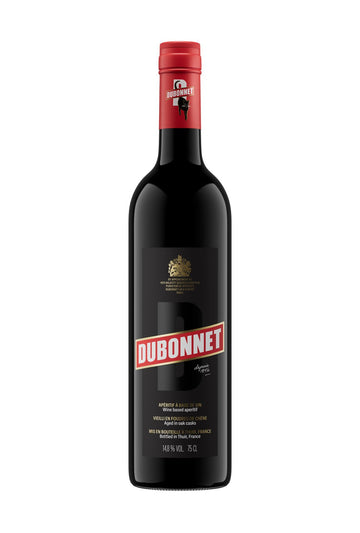
Byrrh & Dubonnet (Pernod Ricard heritage aperitifs)
Dubonnet Rouge Aperitif 14.8% 750ml
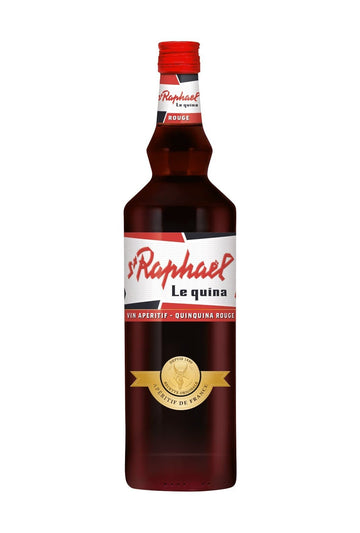
St Raphael
St Raphael Red (Rouge) Quina 18% 750ml
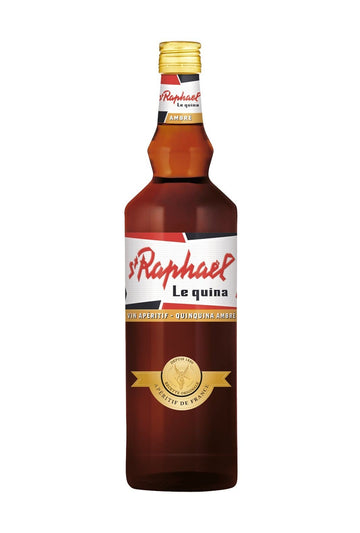
St Raphael
St Raphael Amber Quina 16% 750ml
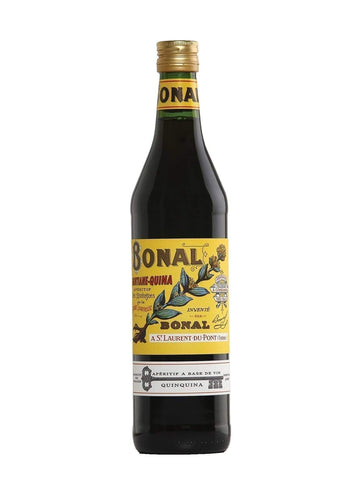
Dolin
Dolin Aperitif 'Bonal' a la Gentiane et Quinquina 16% 750ml
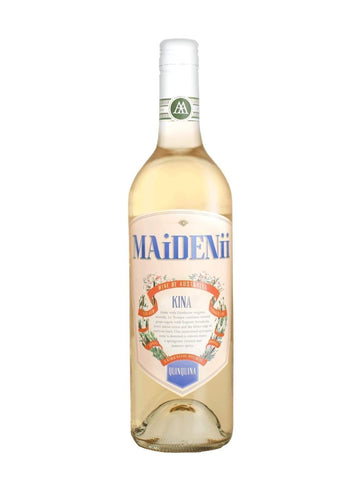
Maidenii
Maidenii Aperitif 'Kina' 17.5% 750ml
Build your vermouth section
On-tap formats (Dolin 5L). New-account allocations across Maidenii. The Galician vermut you have not tried yet.
Vineyards: "Vigneti ad Agliano Terme" by Neq00, CC BY-SA 4.0. Wormwood: "Artemisia absinthium" by Matt Lavin, CC BY-SA 2.0. Foudres: "Foudres de bois Smith haut lafitte" by Elfabriciodelamancha, CC BY-SA 3.0. All sourced from Wikimedia Commons.