
Prefer to order by phone? +61 7 3854 0407
Trade only
Login to view price
Trade loginPrefer to order by phone? +61 7 3854 0407
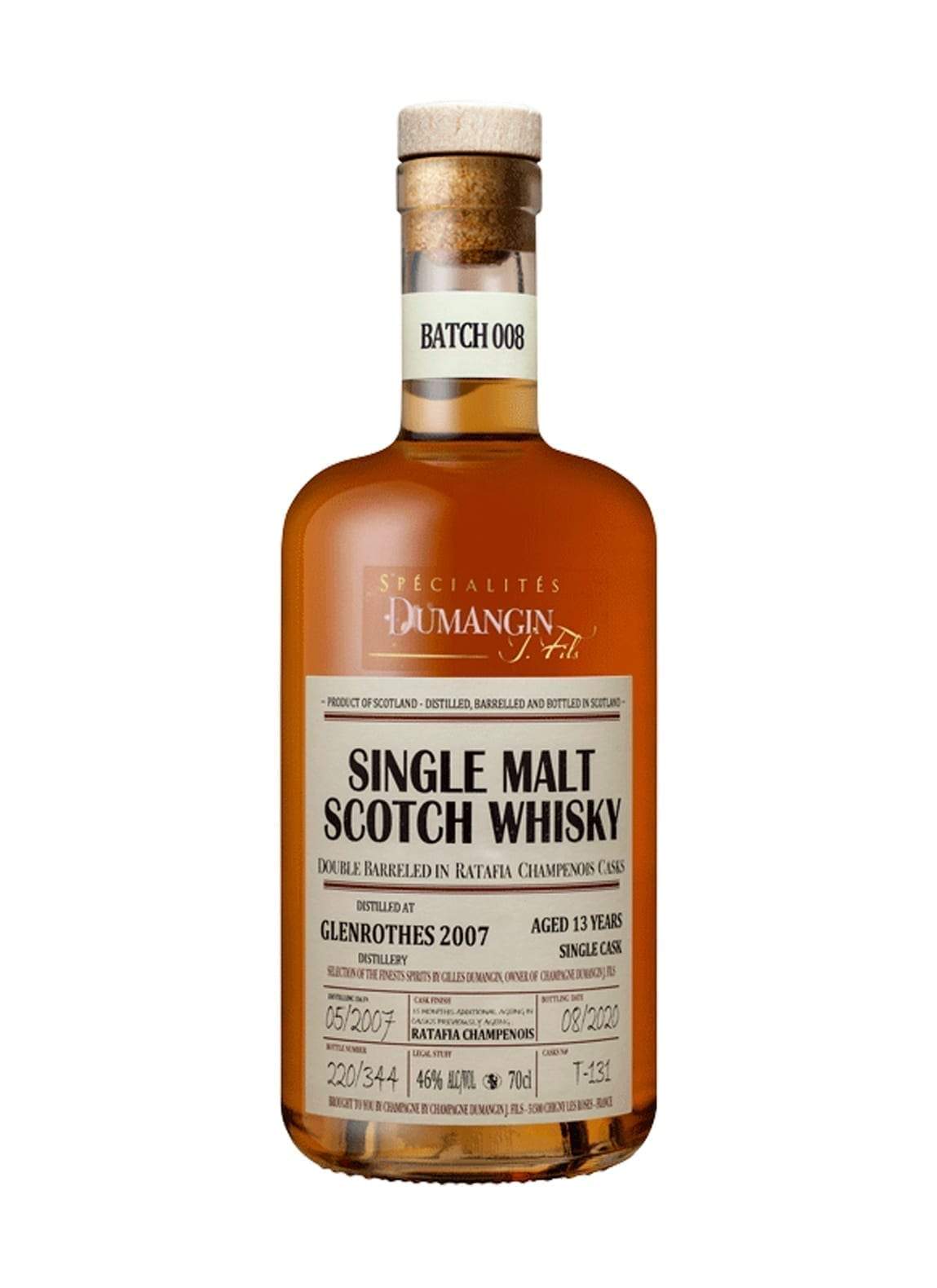
On the palate
13 Years Old for this single malt Scotch Whisky aged and bottled in Scotland. A classic side of Glenrothes (rich, fully rounded and elegant) amplified by the Ratafia Champenois touch? ? The Dumangin Champagne Twist ??. a ripe bouquet of fruits and a vanilla side.
ORIGIN: Scotland ? SPEYSIDE
1ST AGEING: 11 years in refilled Hogshead
CHARACTERISTICS: Rich, fully rounded and elegant complemented by a ripe bouquet of fruits and a vanilla side
Origin
Champagne (Chigny-les-Roses, 1er Cru, France
Vintage
2007
Volume
700ml
ABV
46.0%
Case size
6 bottles
Origin
Champagne (Chigny-les-Roses, 1er Cru, France
From the same house
More from Dumangin.
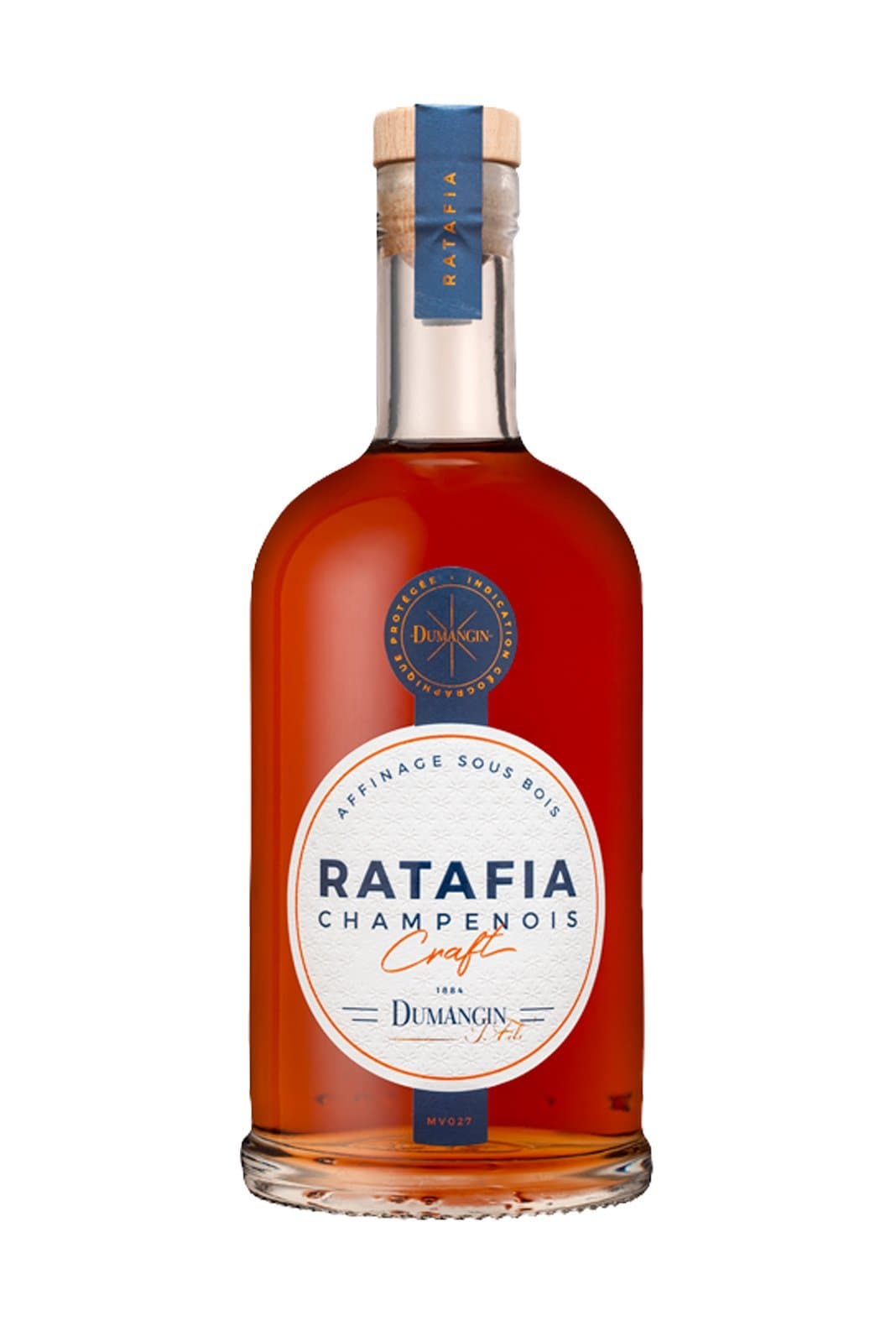
DumanginDumangin Ratafia de Champagne 3 Year 18% 700ml
Login
700ml·18.0% ABV·6/case
Trade pricing visible after login
Approved trade accounts see live case & bottle pricing.
New to Bouchon? Apply for a trade account
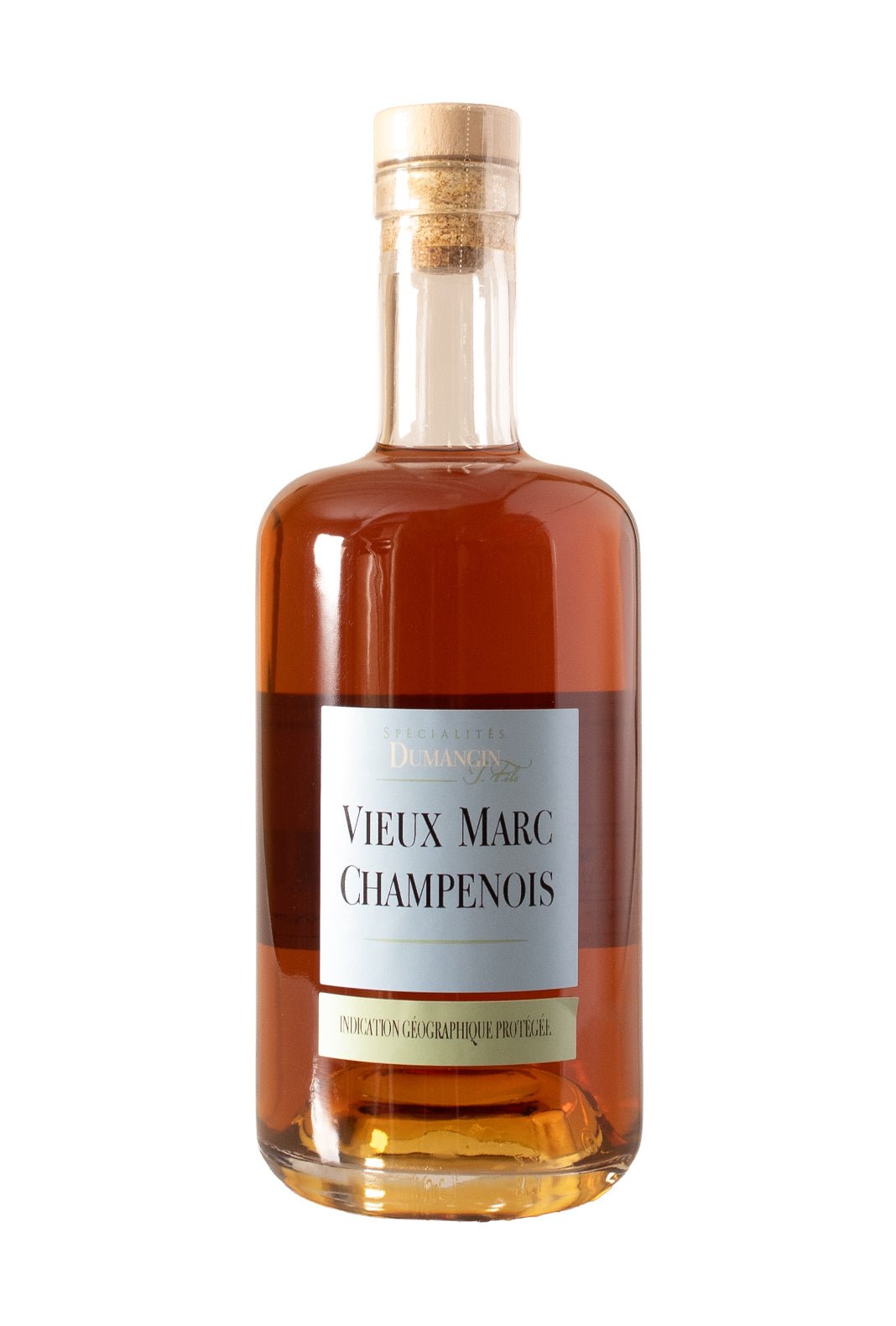
DumanginDumangin Vieux Marc de Champagne 40% 700ml
Login
700ml·40.0% ABV·6/case
Trade pricing visible after login
Approved trade accounts see live case & bottle pricing.
New to Bouchon? Apply for a trade account
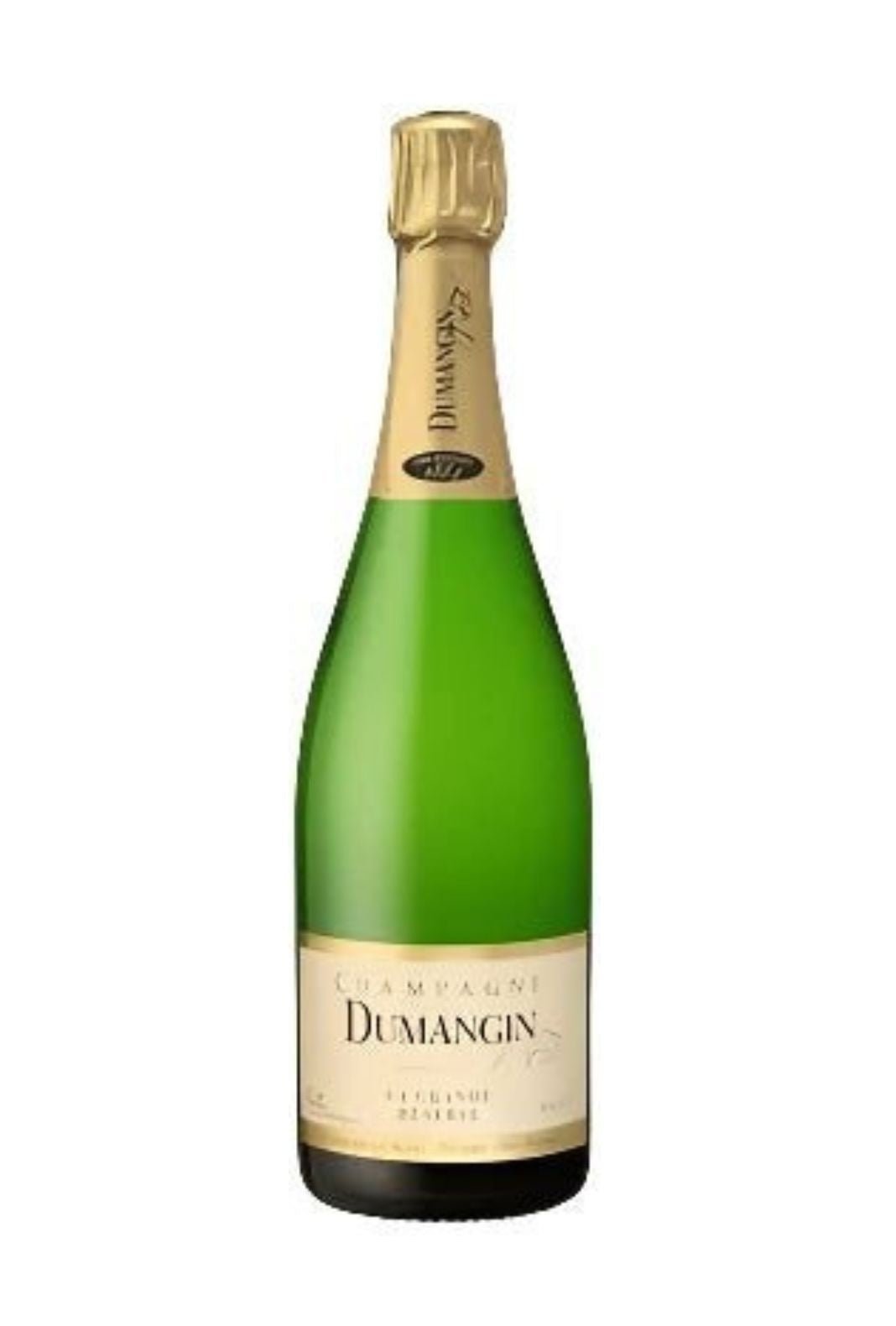
DumanginDumangin Champagne 1er Cru 12% 750ml
Login
750ml·12.0% ABV·6/case
Trade pricing visible after login
Approved trade accounts see live case & bottle pricing.
New to Bouchon? Apply for a trade account

DumanginDumangin Fine de Champagne 40% 700ml
Login
700ml·40.0% ABV·6/case
Trade pricing visible after login
Approved trade accounts see live case & bottle pricing.
New to Bouchon? Apply for a trade account
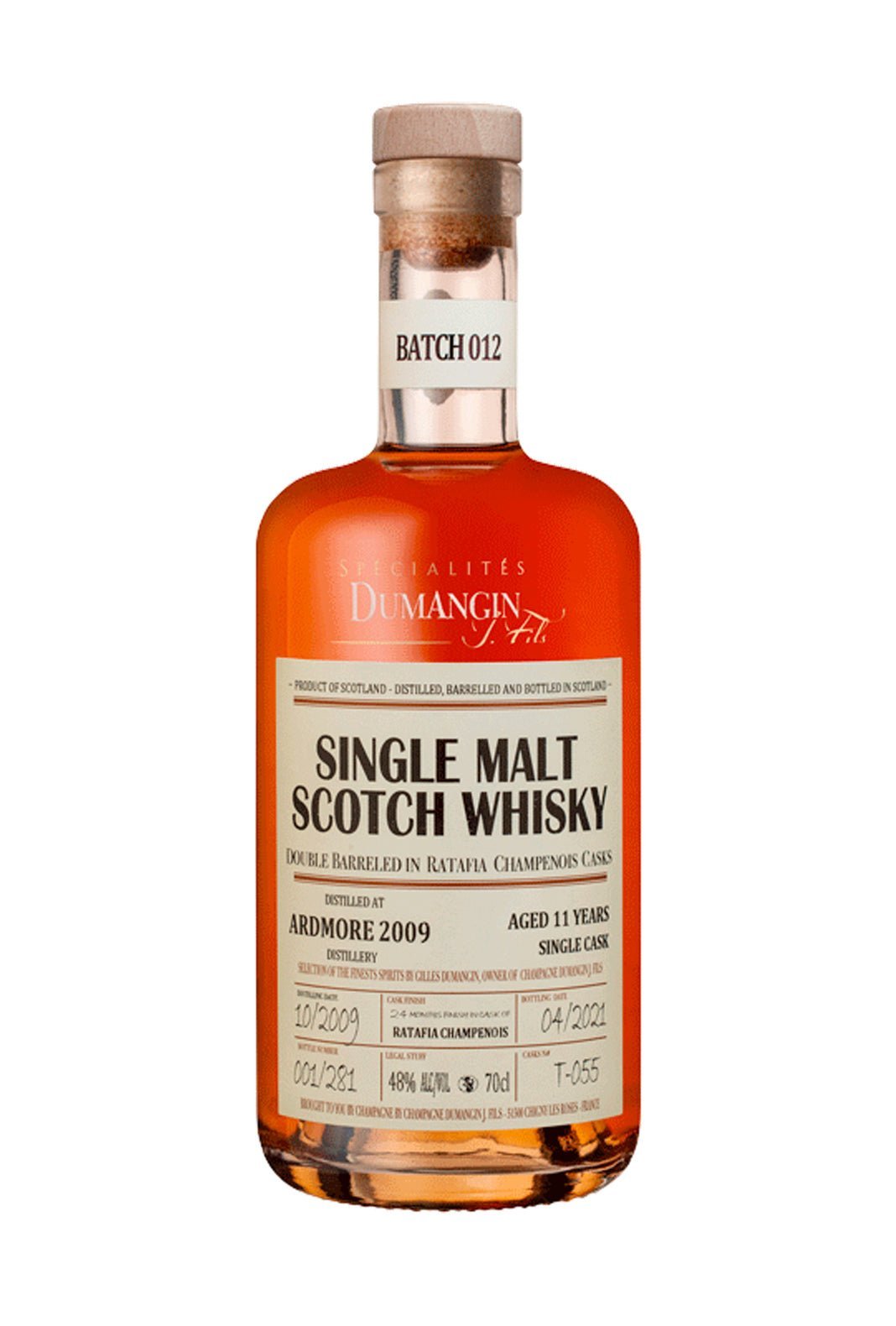
DumanginDumangin Batch 012 Ardmore 2009 48% 700ml
Login
700ml·48.0% ABV·6/case
Trade pricing visible after login
Approved trade accounts see live case & bottle pricing.
New to Bouchon? Apply for a trade account
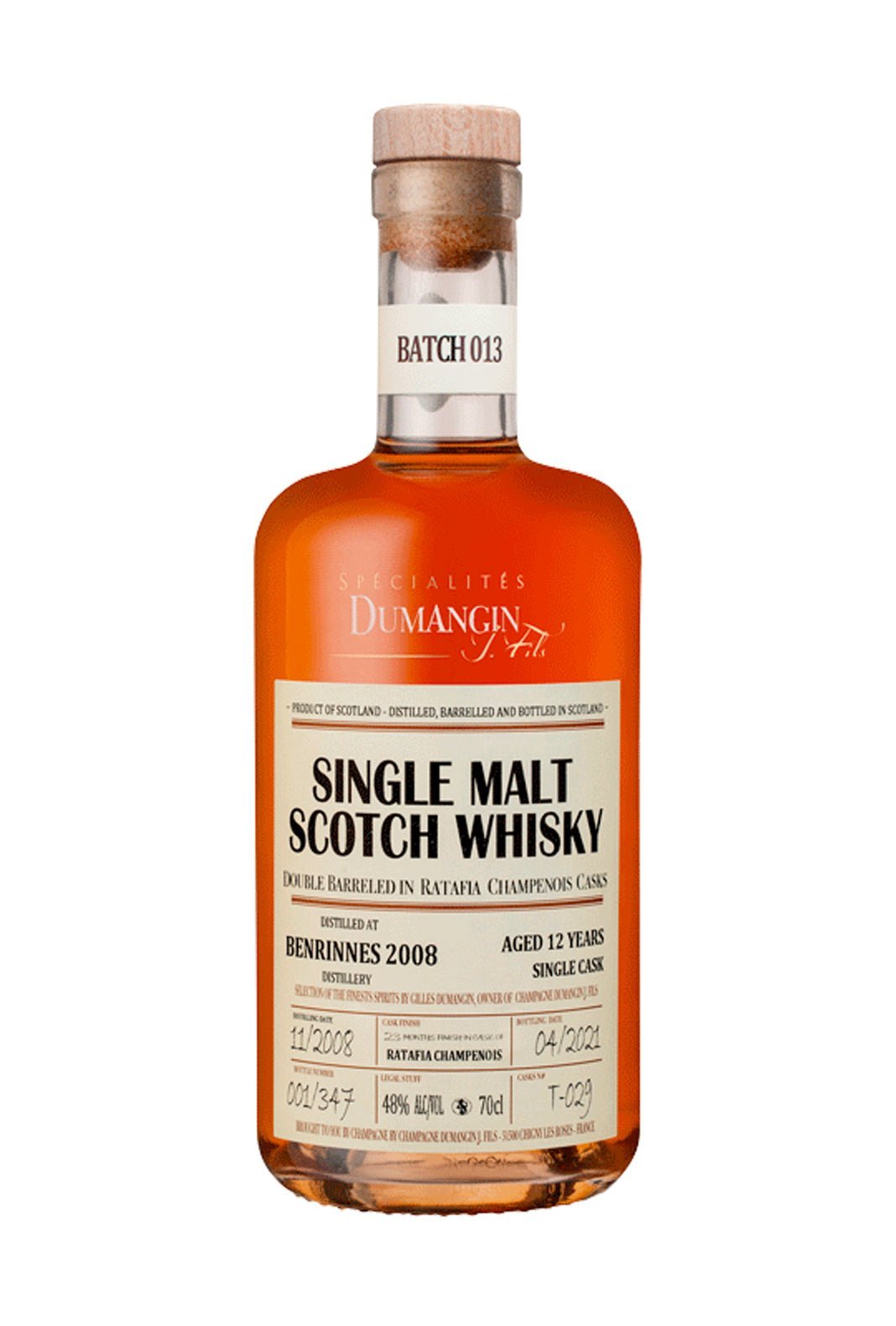
DumanginDumangin Batch 013 Benrinnes 2008 48% 700ml
Login
700ml·48.0% ABV·6/case
Trade pricing visible after login
Approved trade accounts see live case & bottle pricing.
New to Bouchon? Apply for a trade account
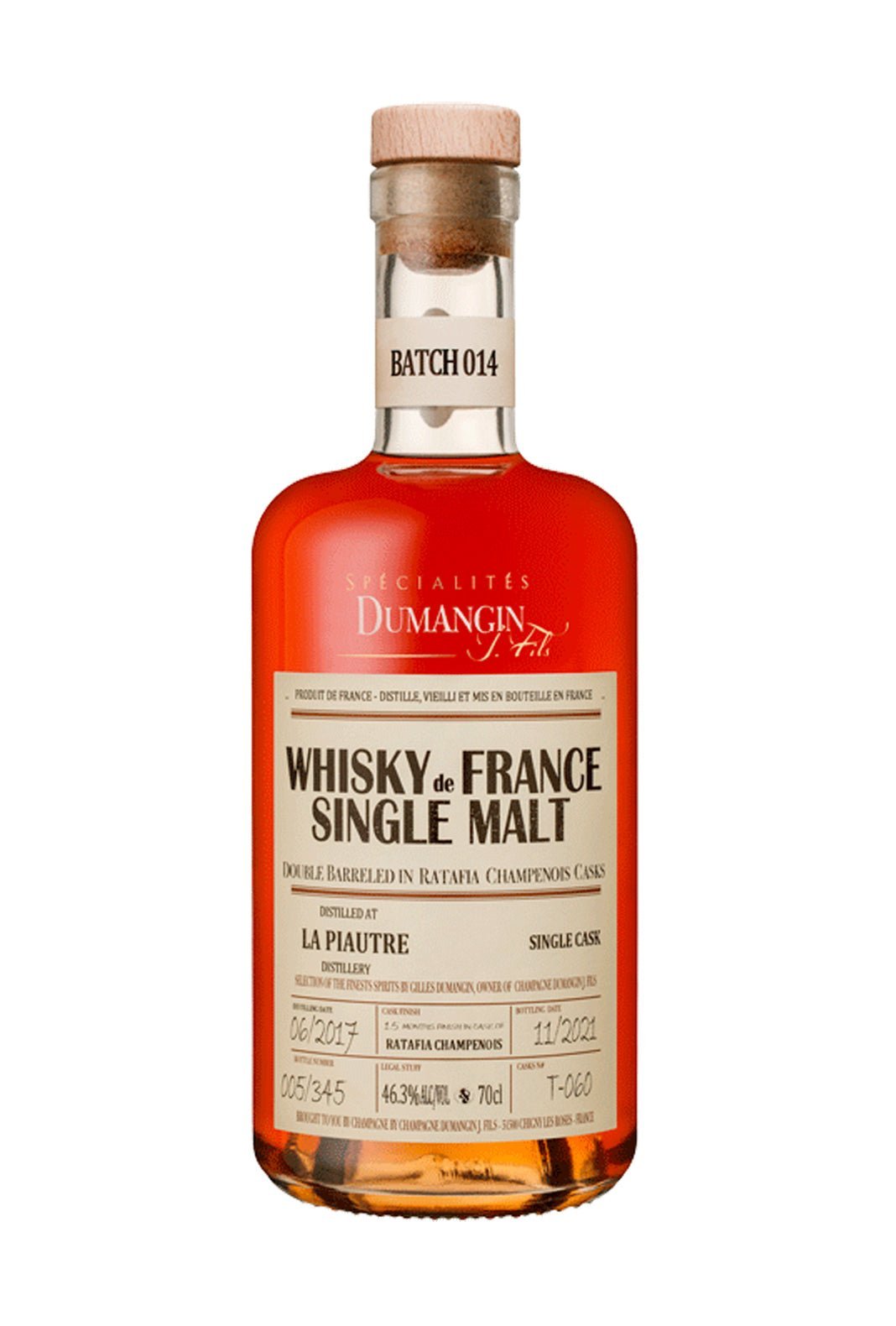
DumanginDumangin Batch 014 La Piautre 2017 46.3% 700ml
Login
700ml·46.3% ABV·6/case
Trade pricing visible after login
Approved trade accounts see live case & bottle pricing.
New to Bouchon? Apply for a trade account
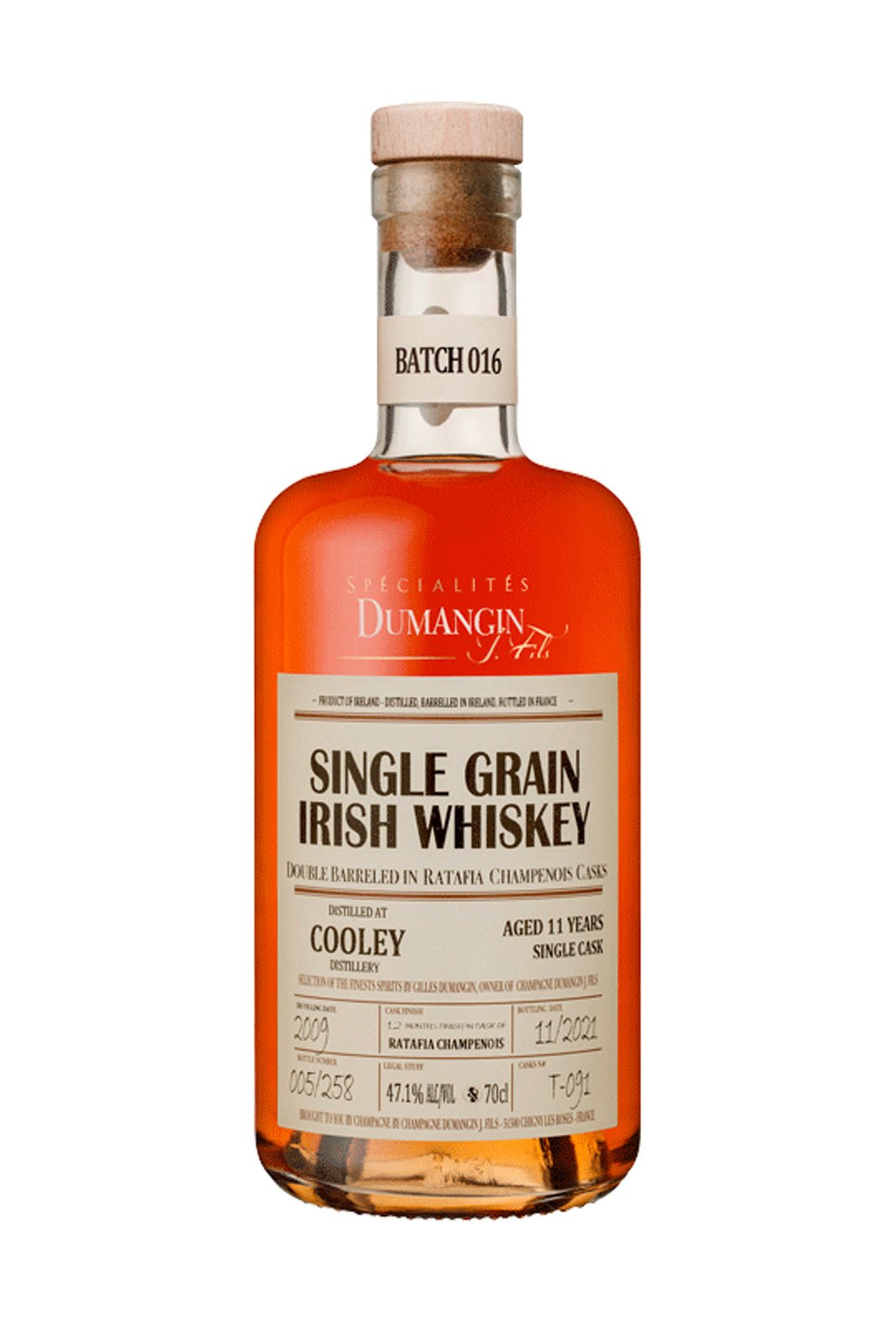
DumanginDumangin Batch 016 Cooley 2009 47.1% 700ml
Login
700ml·47.1% ABV·6/case
Trade pricing visible after login
Approved trade accounts see live case & bottle pricing.
New to Bouchon? Apply for a trade account
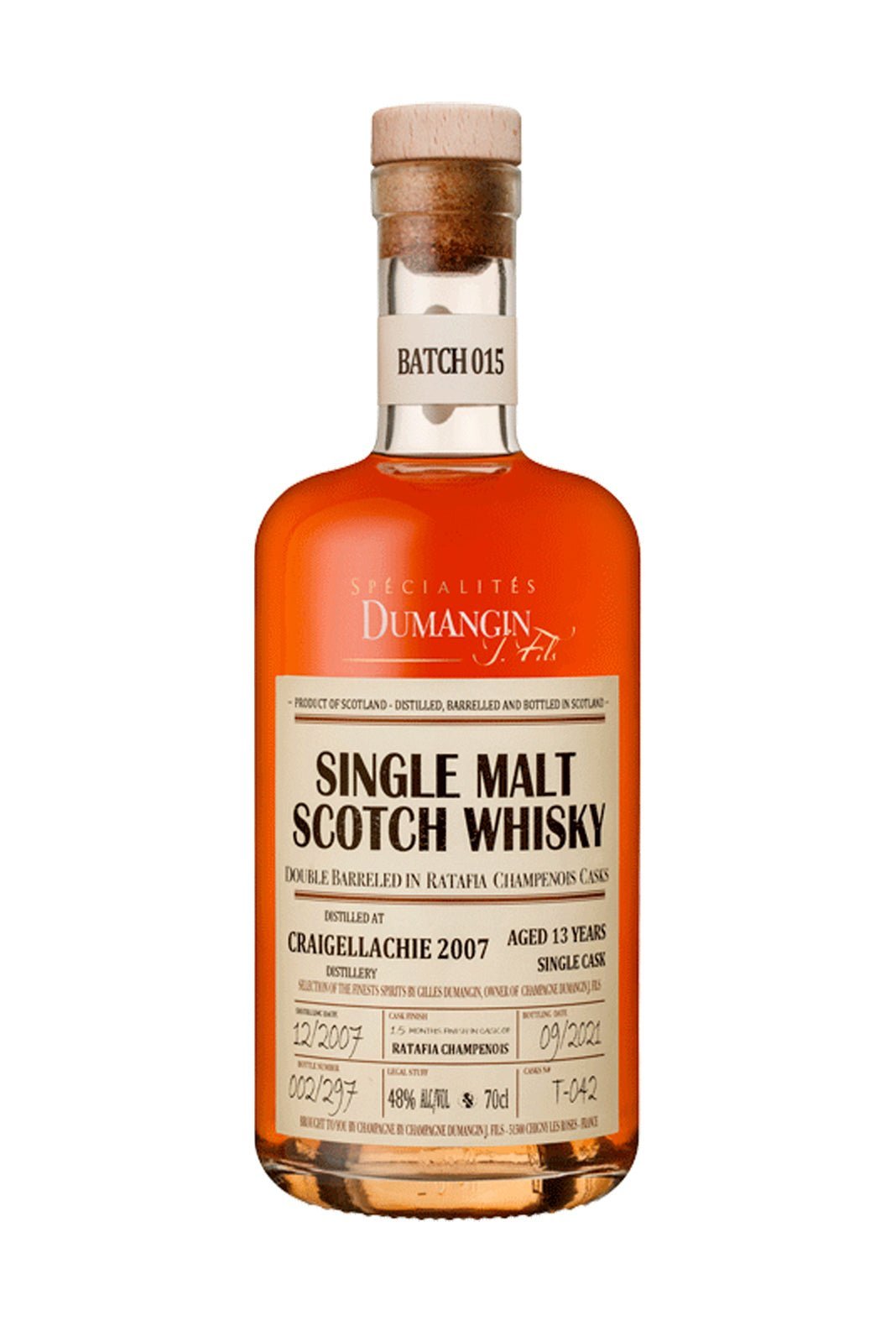
DumanginDumangin Batch 015 Craigellachie 2007 48% 700ml
Login
700ml·48.0% ABV·6/case
Trade pricing visible after login
Approved trade accounts see live case & bottle pricing.
New to Bouchon? Apply for a trade account
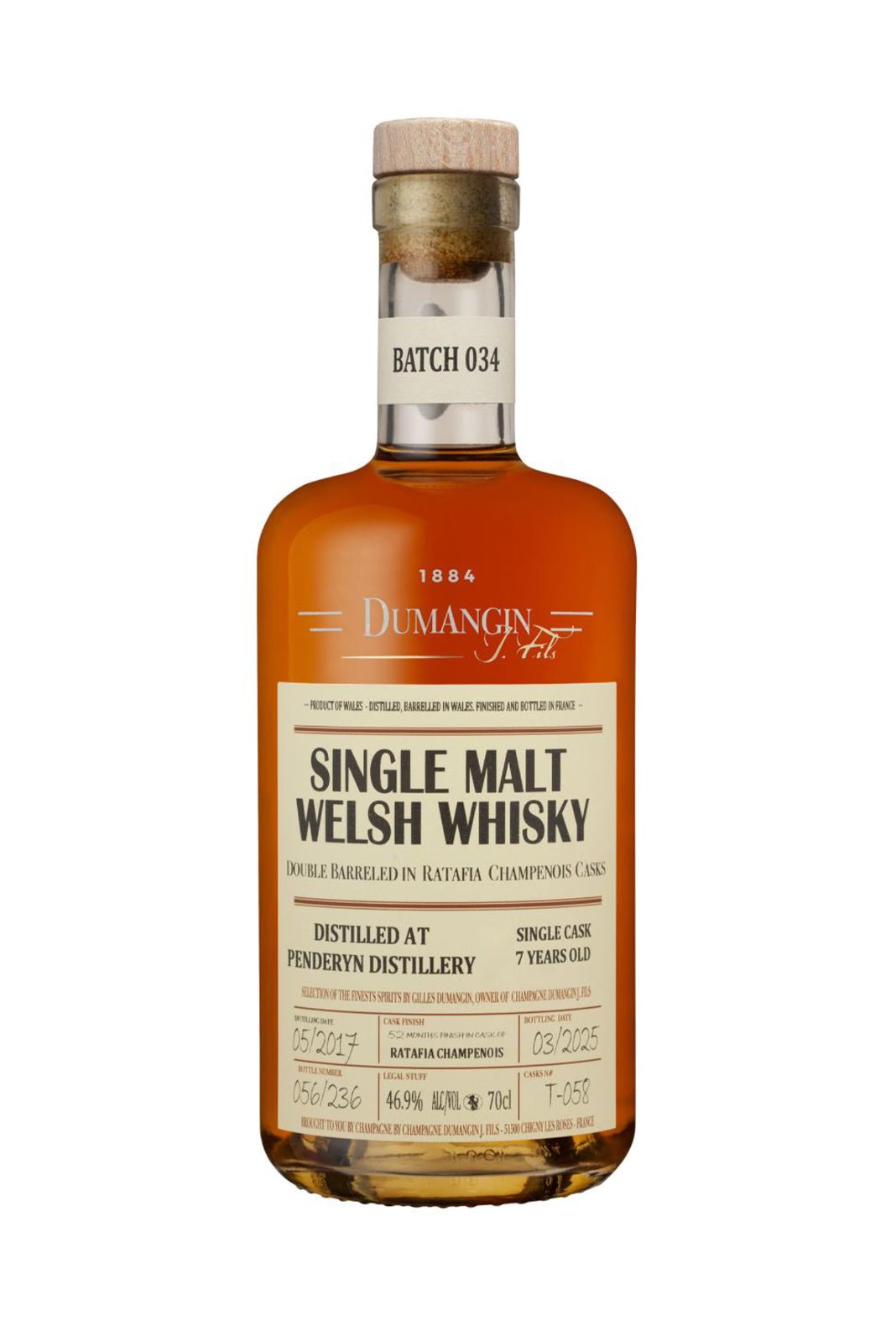
DumanginDumangin 034 Single Malt Welsh Whisky Penderyn Cask 46.9% 700ml
Login
700ml·46.9% ABV·6/case
Trade pricing visible after login
Approved trade accounts see live case & bottle pricing.
New to Bouchon? Apply for a trade account