
Prefer to order by phone? +61 7 3854 0407
Trade only
Login to view price
Trade loginPrefer to order by phone? +61 7 3854 0407
On the palate
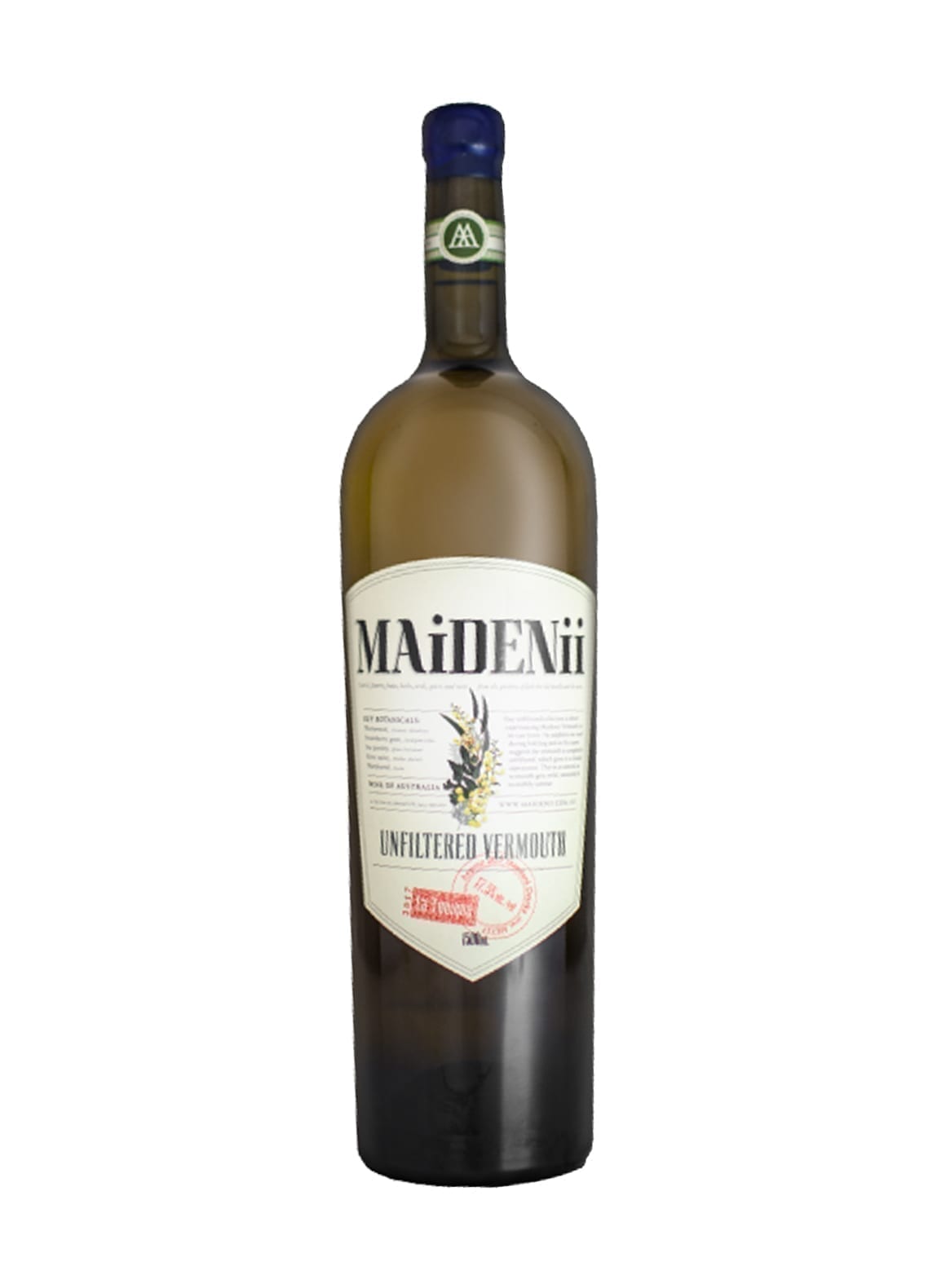
Brilliant pale straw colour with water like edges. A lovely lift to the aroma with bright notes of grapefruit, thyme, cool mint and delicate quinine. Fresh and breezy entry followed by racy flavours of semi-ripe apricot, pink grapefruit and a delicately bitter, vibrant dried herb / quinine / mint finish that's remarkably long for the genre. Very appetising, this should mix brilliantly.
Origin
Victoria (Heathcote-sourced fruit, Australia
Volume
1500ml
ABV
17.5%
Case size
6 bottles
Origin
Victoria (Heathcote-sourced fruit, Australia
From the same house
More from Maidenii.
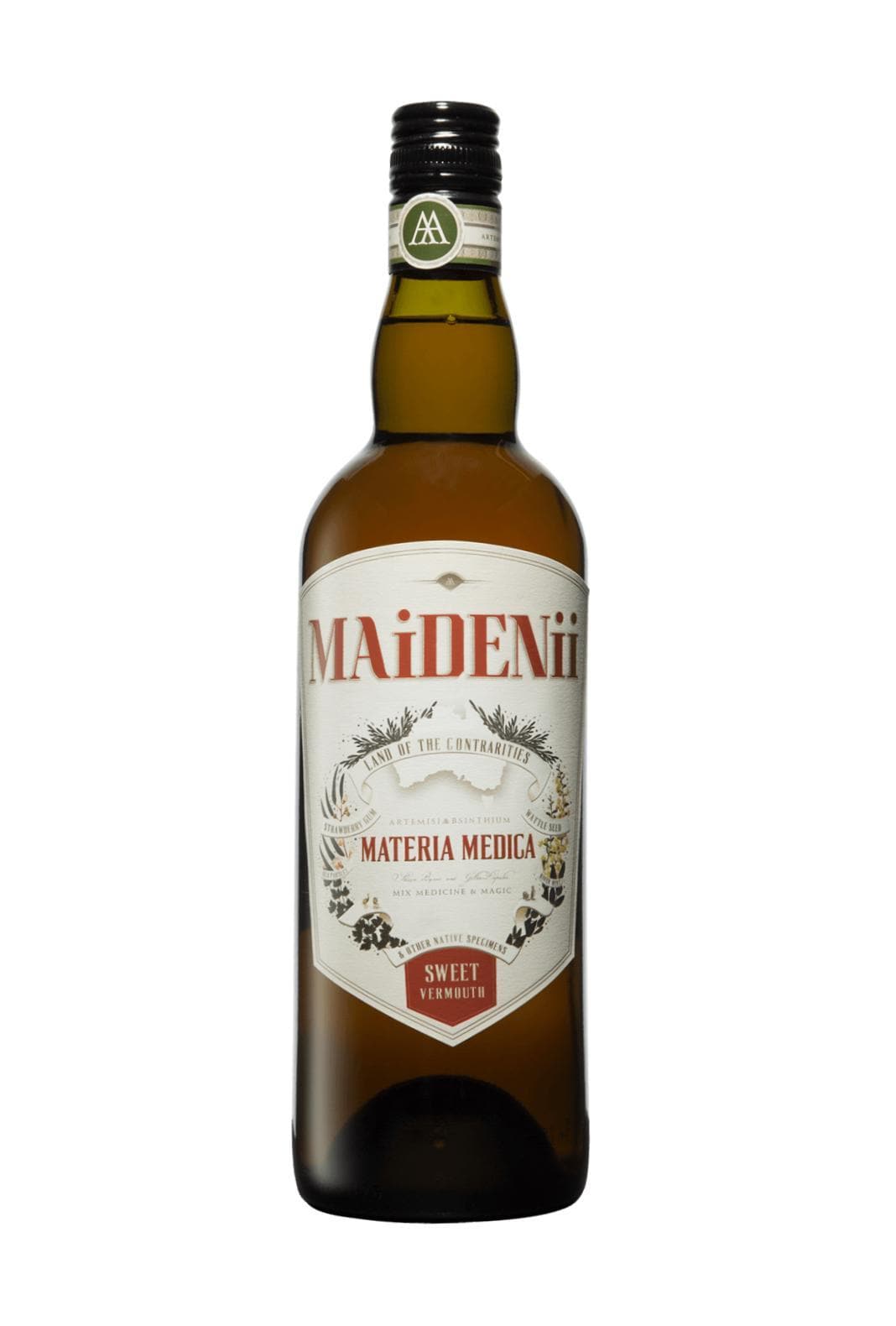
MaideniiMaidenii Sweet Vermouth 750ml 16%
Login
750ml·16.0% ABV·6/case
Trade pricing visible after login
Approved trade accounts see live case & bottle pricing.
New to Bouchon? Apply for a trade account
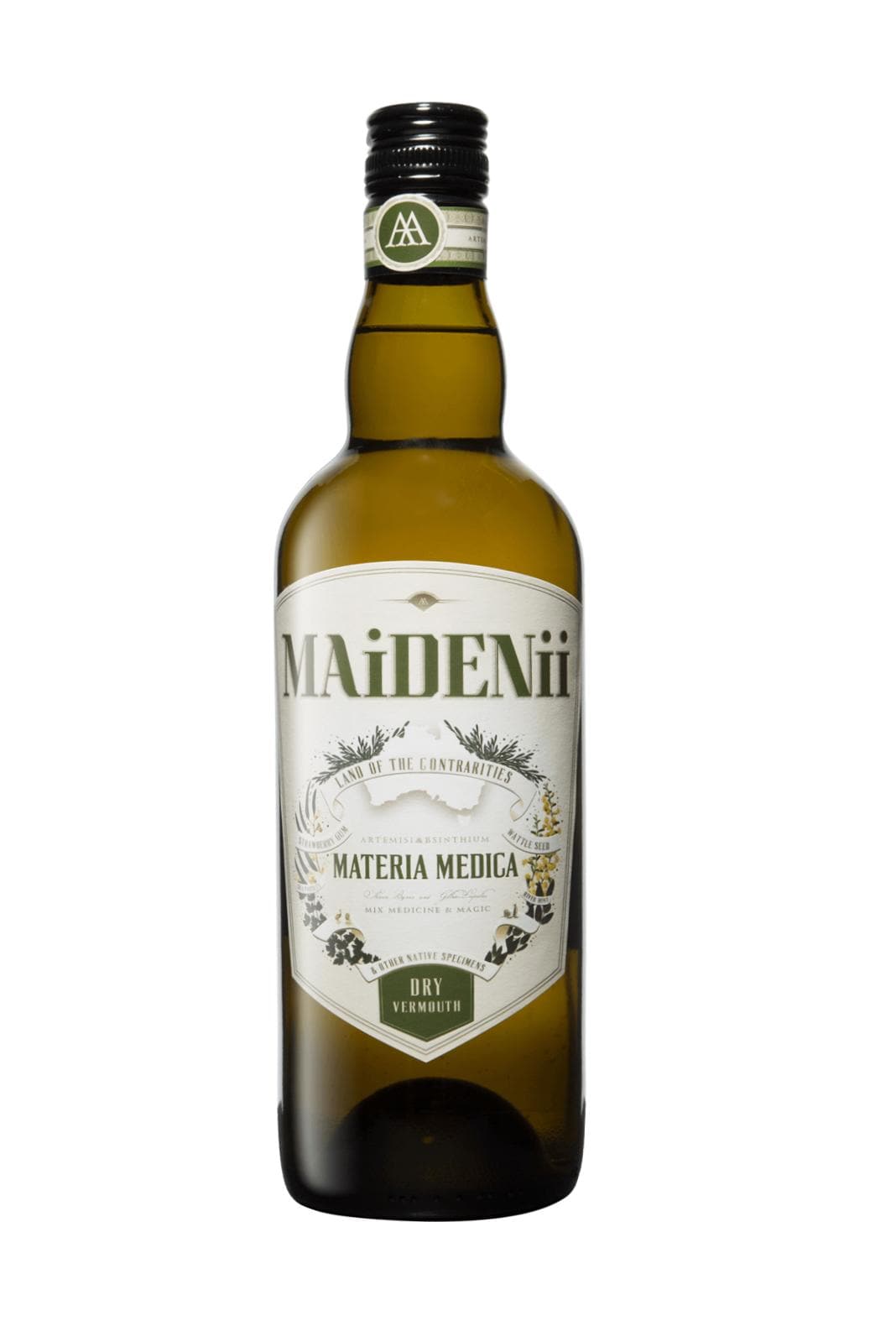
MaideniiMaidenii Dry Vermouth 750ml 19%
Login
750ml·19.0% ABV·6/case
Trade pricing visible after login
Approved trade accounts see live case & bottle pricing.
New to Bouchon? Apply for a trade account
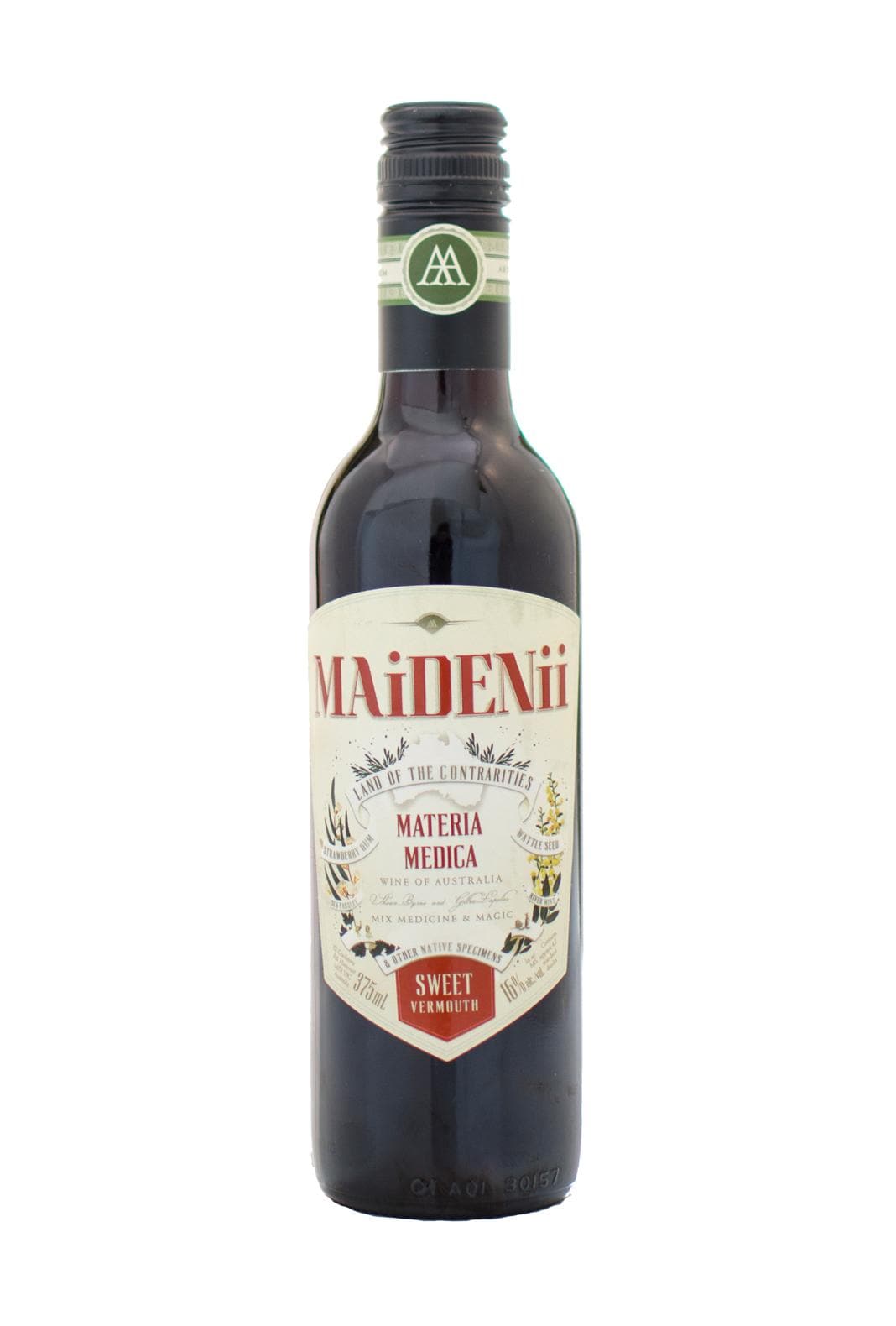
MaideniiMaidenii Sweet Vermouth 375ml 16%
Login
375ml·16.0% ABV·6/case
Trade pricing visible after login
Approved trade accounts see live case & bottle pricing.
New to Bouchon? Apply for a trade account
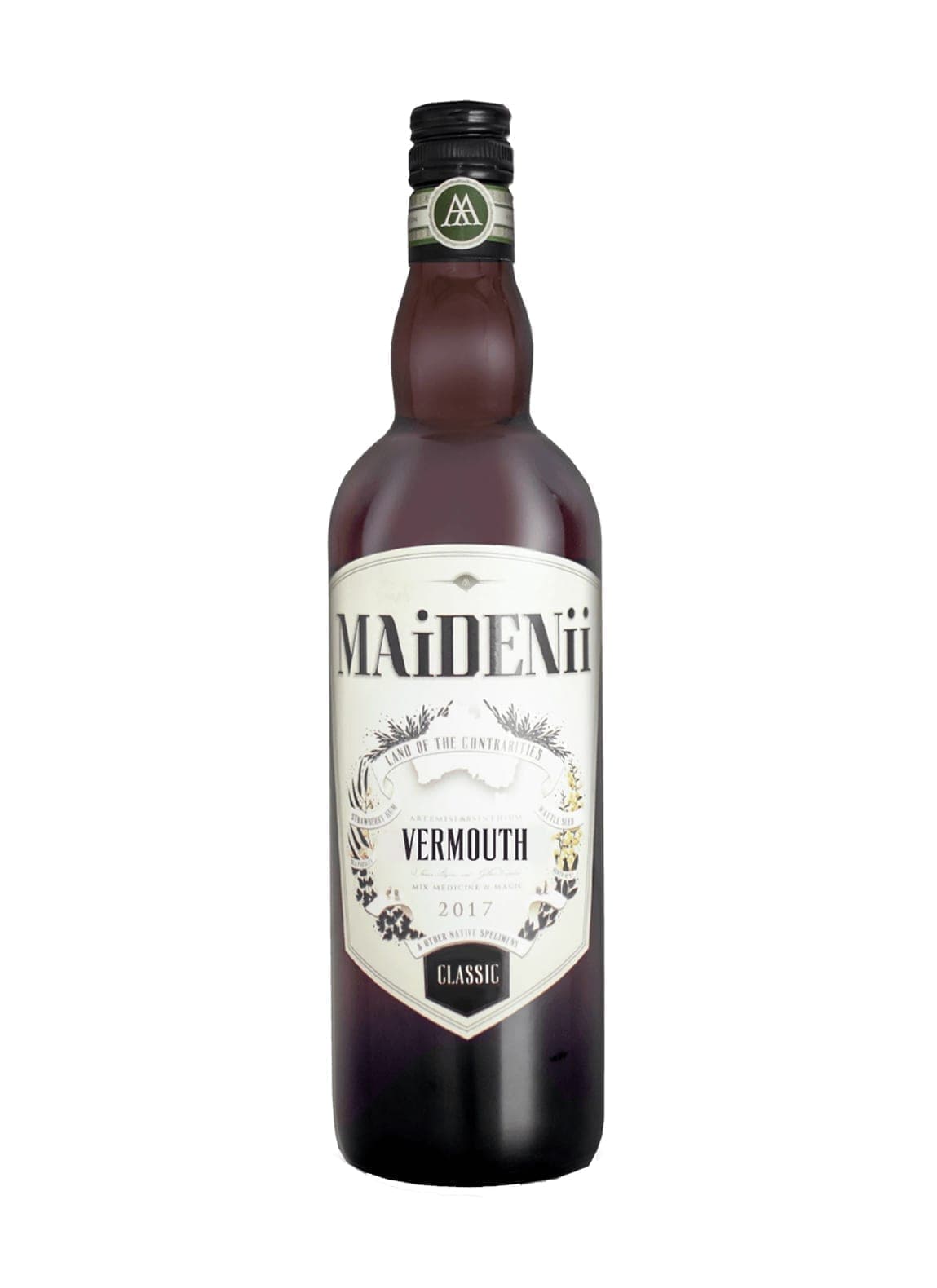
MaideniiMaidenii Classic Vermouth 16% 750ml
Login
750ml·16.0% ABV·6/case
Trade pricing visible after login
Approved trade accounts see live case & bottle pricing.
New to Bouchon? Apply for a trade account
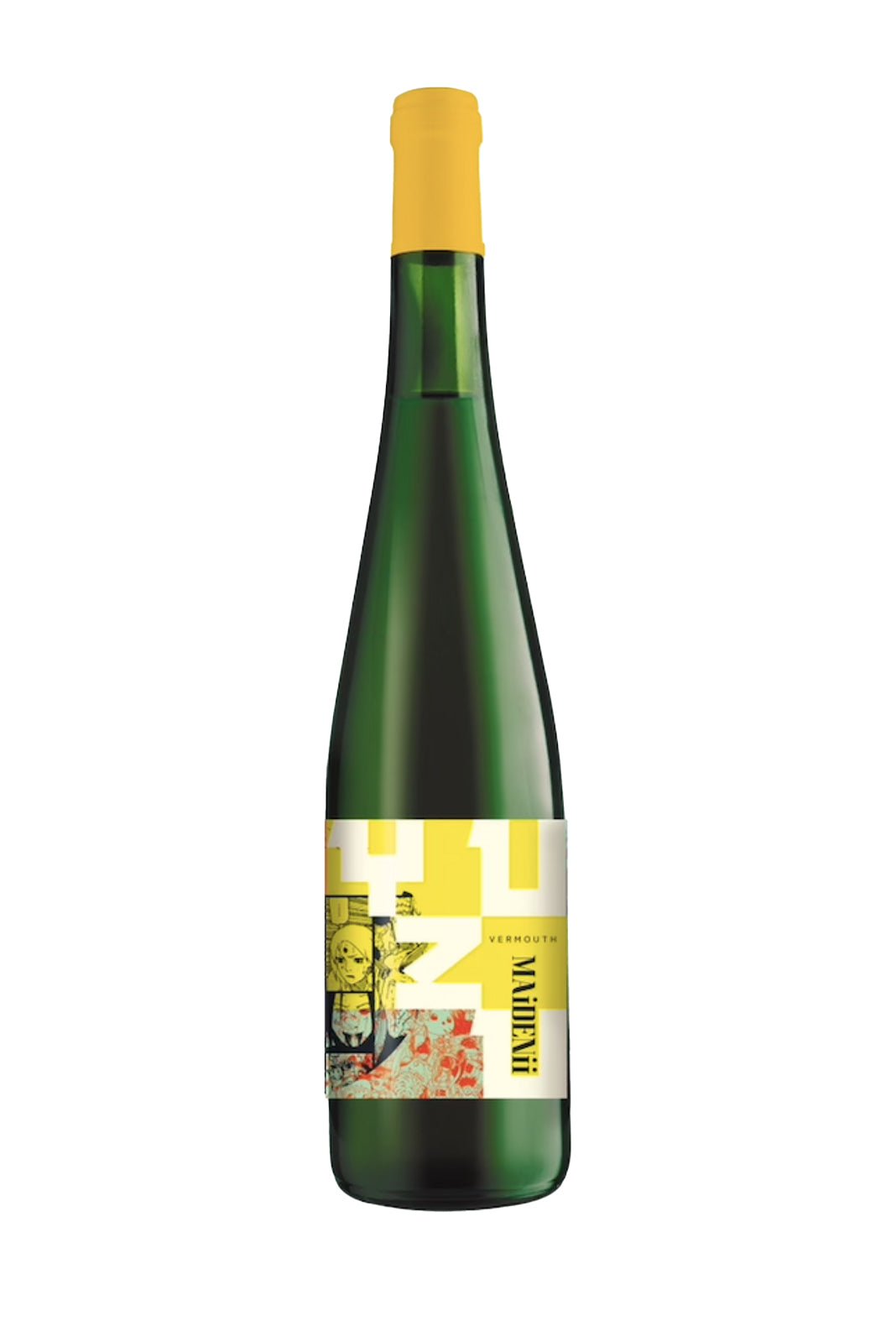
MaideniiMaidenii Yuzu Vermouth 19% 750ml
Login
750ml·19.0% ABV·6/case
Trade pricing visible after login
Approved trade accounts see live case & bottle pricing.
New to Bouchon? Apply for a trade account
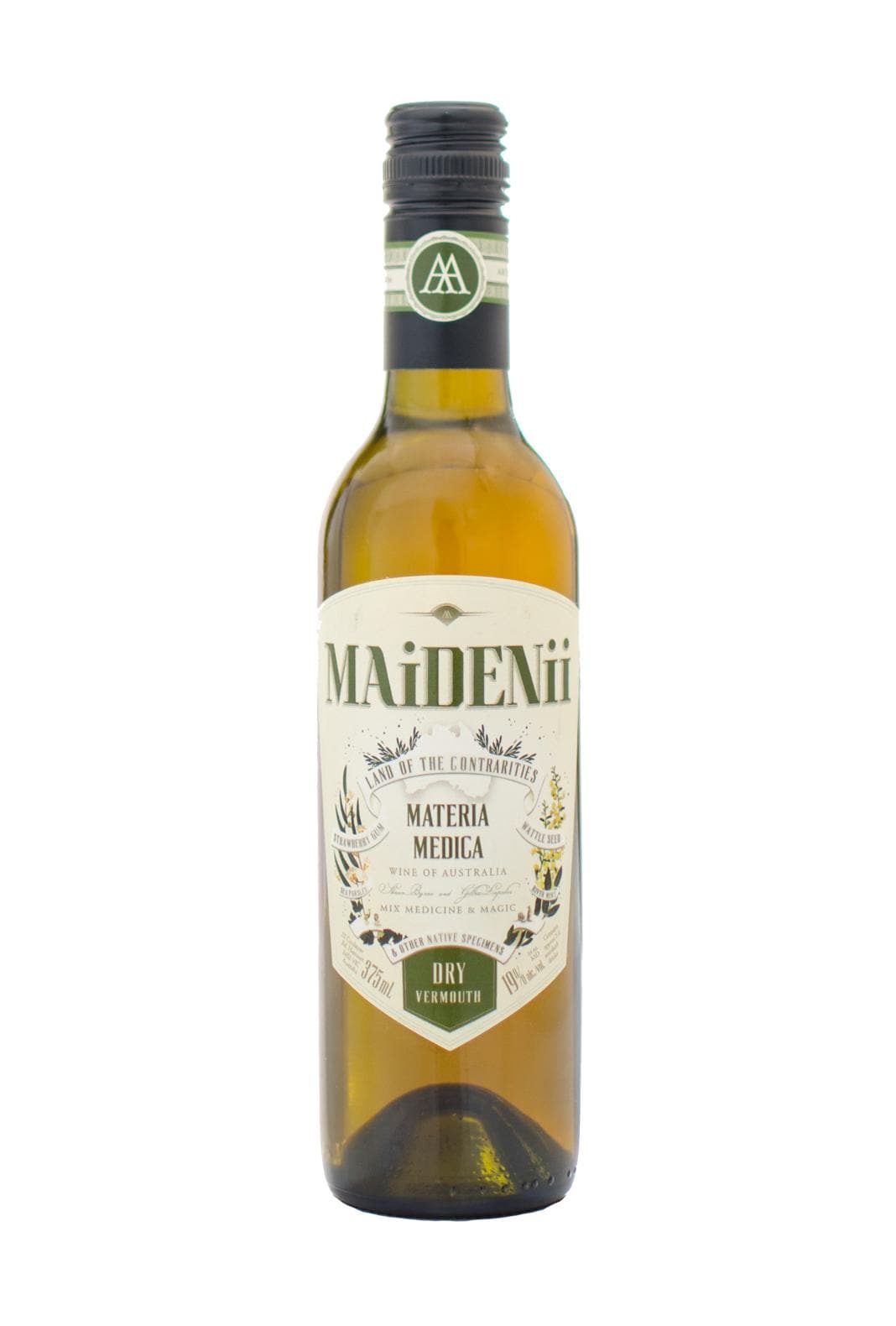
MaideniiMaidenii Dry Vermouth 375ml 19%
Login
375ml·19.0% ABV·6/case
Trade pricing visible after login
Approved trade accounts see live case & bottle pricing.
New to Bouchon? Apply for a trade account
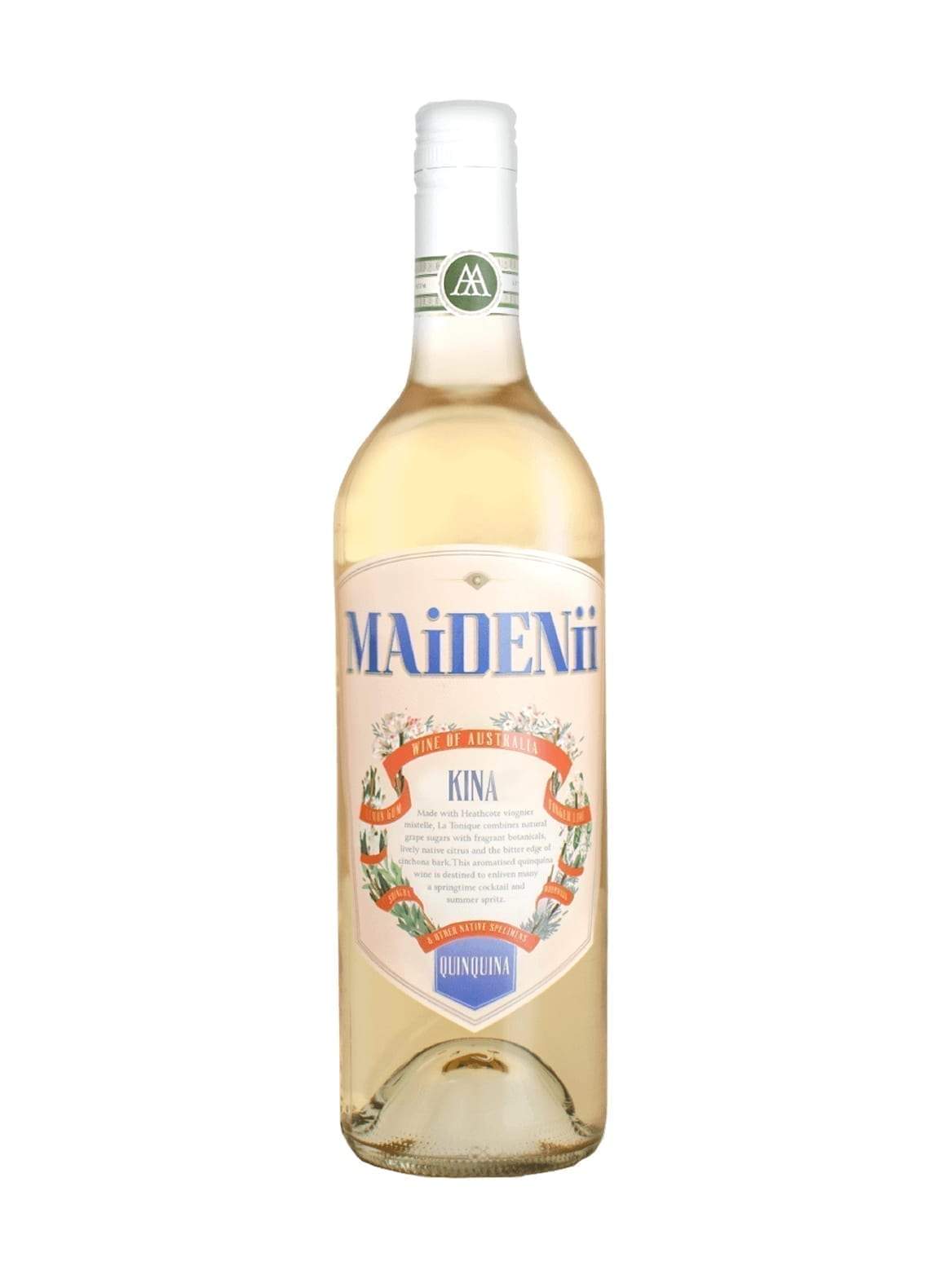
MaideniiMaidenii Aperitif 'Kina' 17.5% 750ml
Login
750ml·17.5% ABV·6/case
Trade pricing visible after login
Approved trade accounts see live case & bottle pricing.
New to Bouchon? Apply for a trade account

MaideniiMaidenii Roselle Bitter 750ml
Login
750ml·6/case
Trade pricing visible after login
Approved trade accounts see live case & bottle pricing.
New to Bouchon? Apply for a trade account
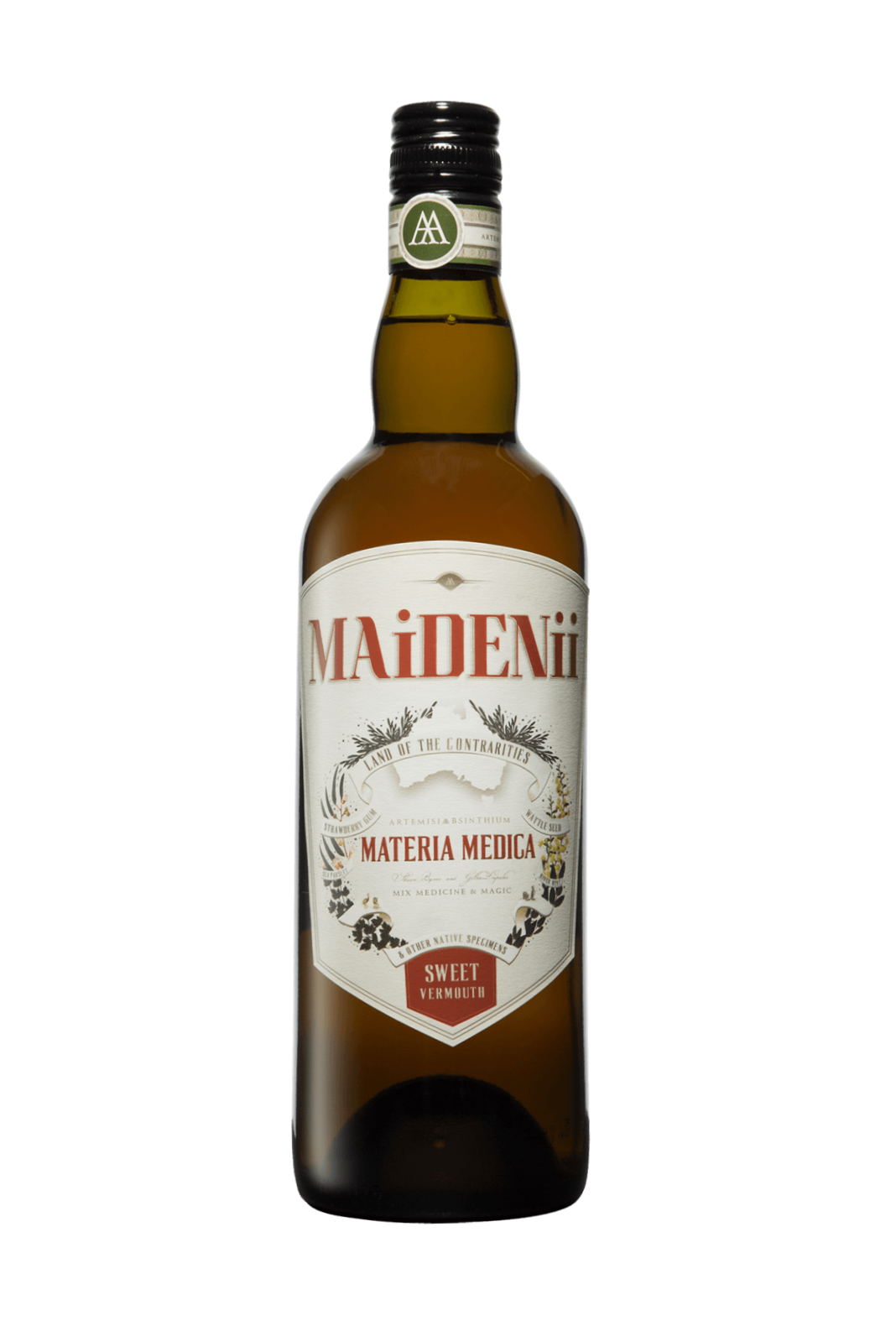
MaideniiMaidenii Sweet Vermouth 16% 50ml
Login
50ml·16.0% ABV·24/case
Trade pricing visible after login
Approved trade accounts see live case & bottle pricing.
New to Bouchon? Apply for a trade account
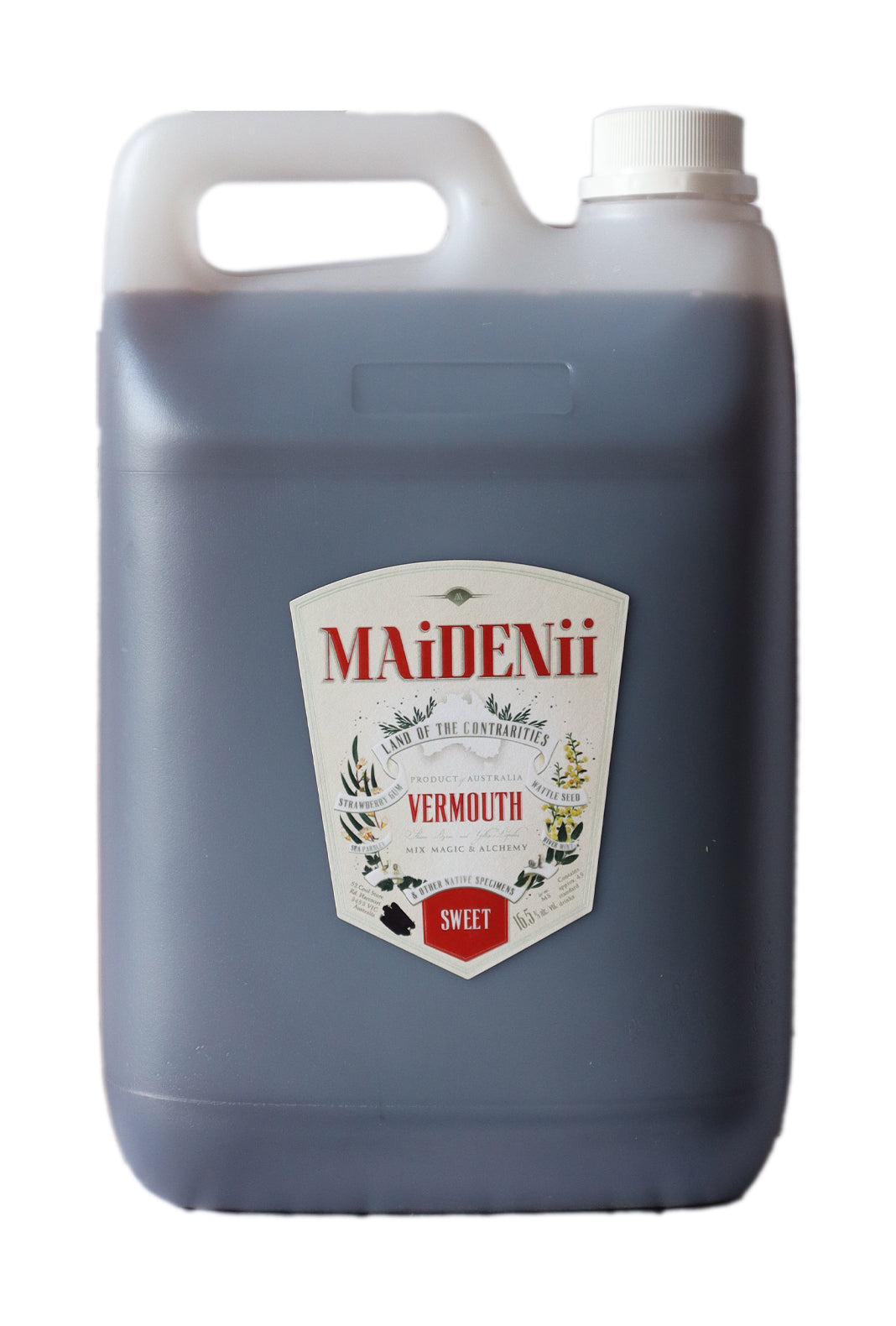
MaideniiMaidenii Sweet Vermouth 16% 5000ml
Login
5000ml·16.0% ABV·1/case
Trade pricing visible after login
Approved trade accounts see live case & bottle pricing.
New to Bouchon? Apply for a trade account