Antonio Argiolas inherited seven acres of Sardinian vineyard from his father in 1938 and made the founding strategic call almost immediately: rather than continue the local tradition of high-yield bulk production, he would work toward quality wine, planted as the island's first modern viticulture project. Antonio lived to 102 years old (1906–2009) and saw the estate grow across three generations of family decisions. His sons Franco and Giuseppe replanted the holdings through the 1980s with a deliberate focus on indigenous Sardinian grape varieties — Cannonau, Carignano, Bovale Sardo, Monica, Malvasia Nera, Nuragus, Nasco — rather than the international varieties that had taken over much of southern European wine. The grandchildren Valentina, Francesca and Antonio Argiolas now manage the operation.
The Argiolas estate covers 600 acres across five distinct properties in the Trexenta and Sulcis regions of southern Sardinia. The Serdiana site sits inland from Cagliari on rolling hills with sun, persistent wind, and proximity to the Mediterranean that moderates summer heat and winter cold — together producing concentrated grapes with retained acidity. The estate produces around 2.2 million bottles per year. Argiolas works at the upper end of Sardinian wine production, both by scale and by white-tablecloth distribution; the Cannonau and Vermentino di Sardegna labels have helped both varieties find international restaurant lists.
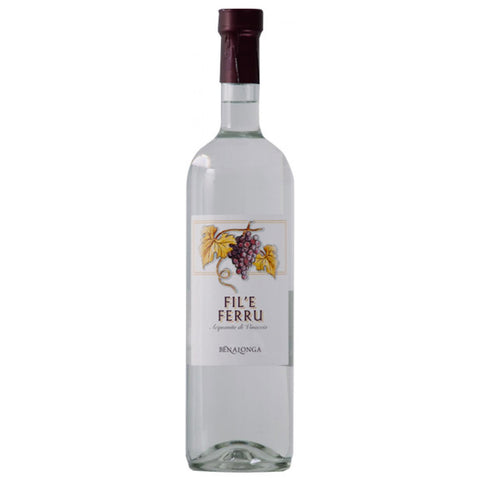
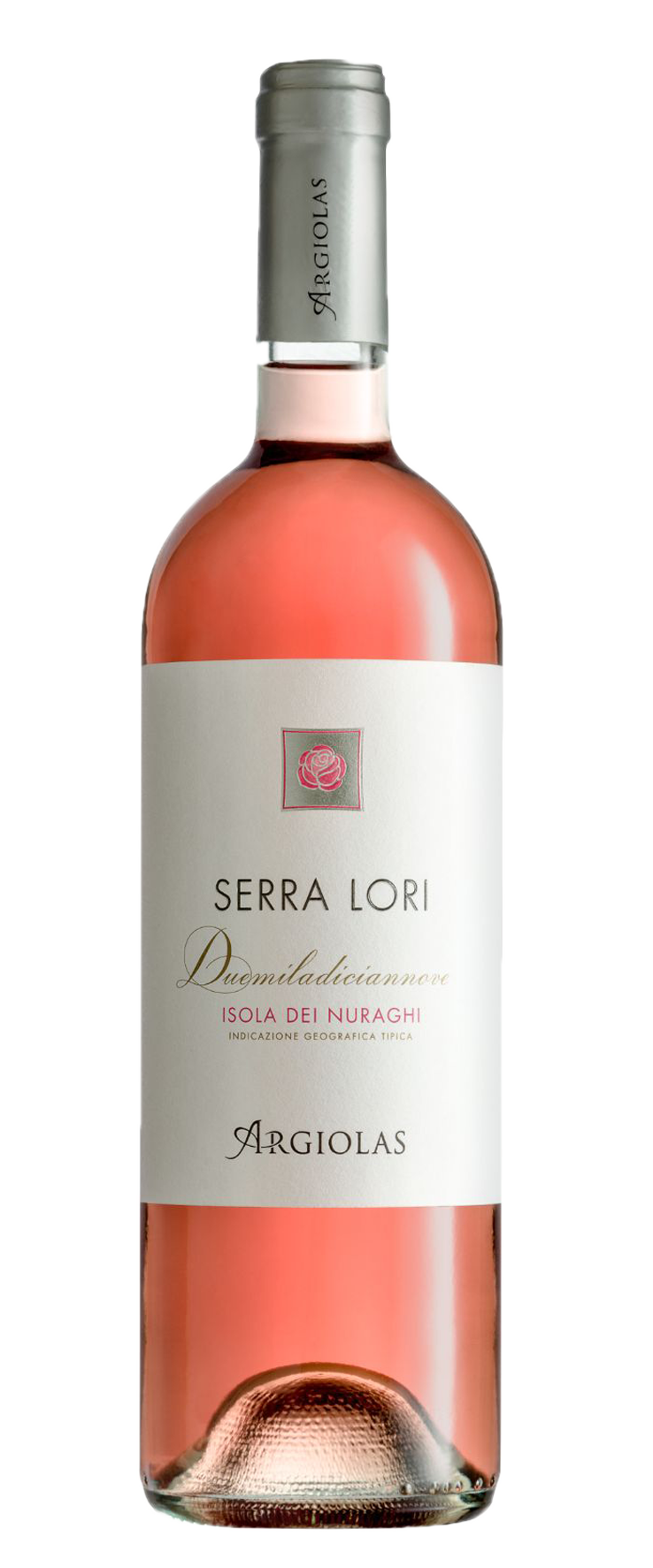
The wine range covers the standard Sardinian DOCs (Vermentino di Sardegna, Cannonau di Sardegna, Cagliari) plus single-vineyard reserves — Turriga (the headline Cannonau-led blend, made for cellar) and Korem (a deeper Cannonau-Bovale-Carignano blend). The estate also produces a line of Sardinian digestifs and liqueurs that travel under the Argiolas label.