
Prefer to order by phone? +61 7 3854 0407
Trade only
Login to view price
Trade loginPrefer to order by phone? +61 7 3854 0407
On the palate
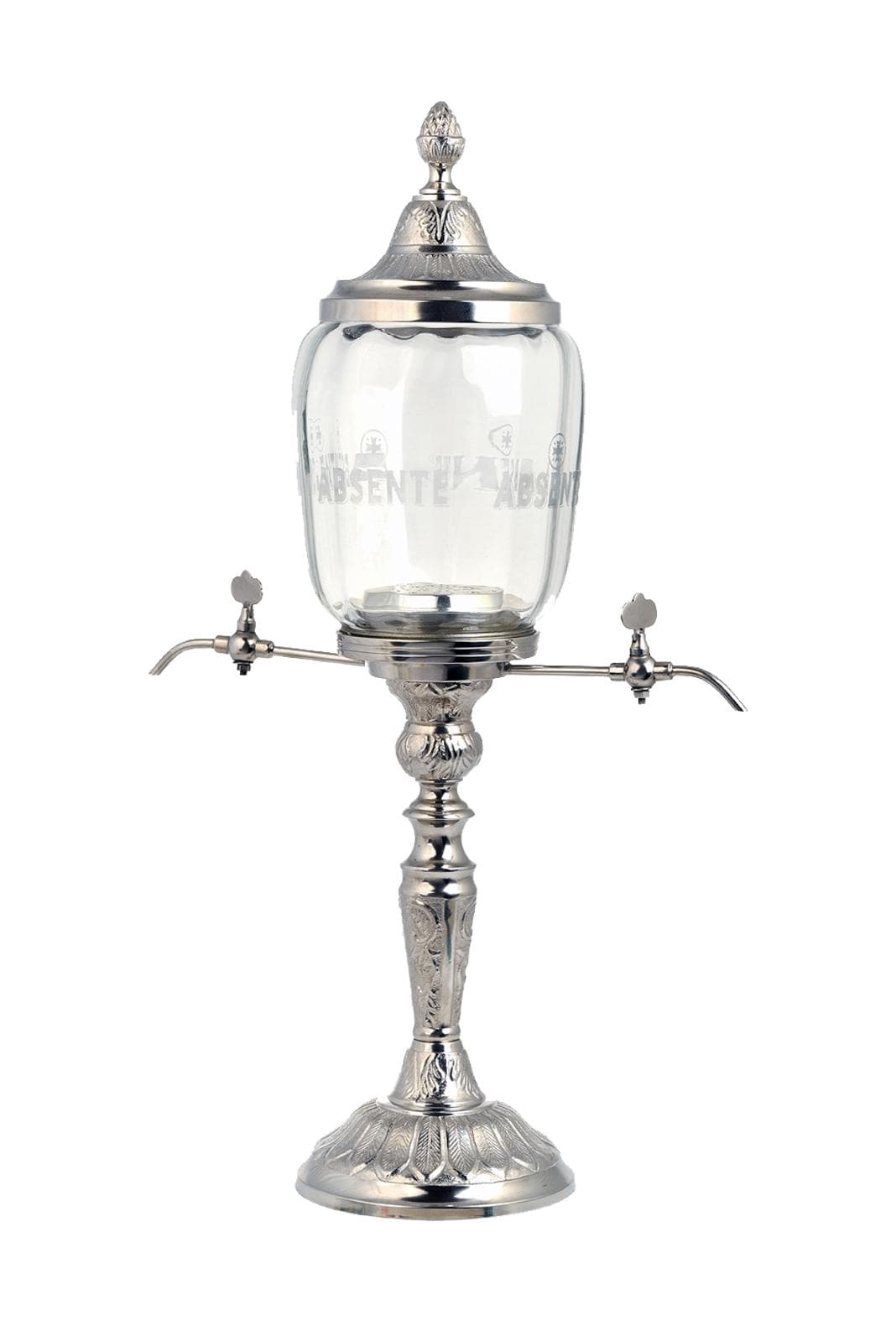
Fountains are the ideal way to perform the absinthe ritual and create a uniquely special atmosphere when a few people sit around a table with a fountain, conversation flowing and occasionally leaning in to prepare another glass.
As useful as it is decorative, a fountain really conjures up the magical spirit of the absinthe world.
Origin
Haute-Provence (Forcalquier), France
Case size
6 bottles
Origin
Haute-Provence (Forcalquier), France
From the same house
More from et Domaines de Provence.
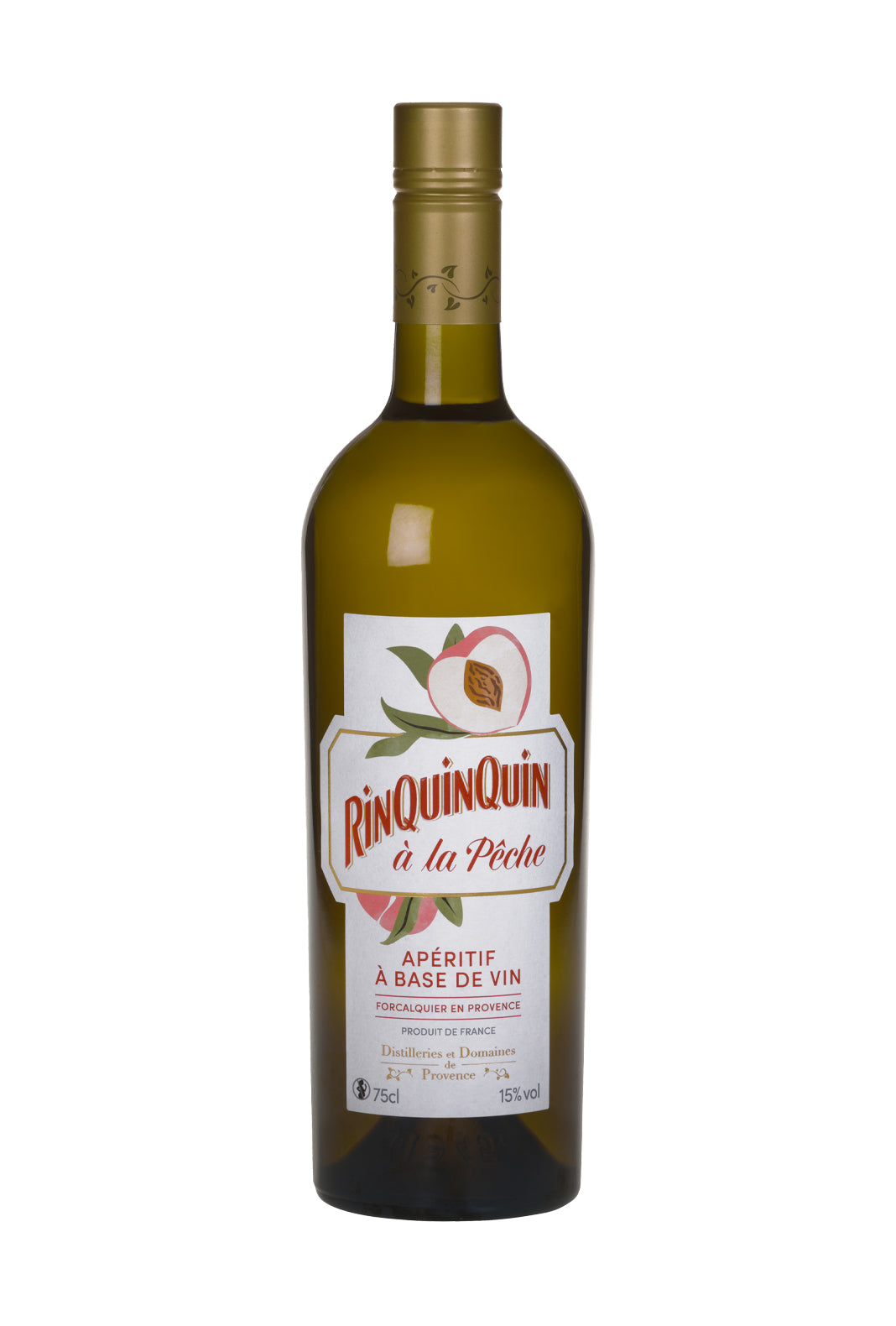
et Domaines de ProvenceDistillerie et Domaines de Provence Aperitif 'Rinquinquin a la Peche' (Peach) 15% 750ml
Login
750ml·15.0% ABV·6/case
Trade pricing visible after login
Approved trade accounts see live case & bottle pricing.
New to Bouchon? Apply for a trade account
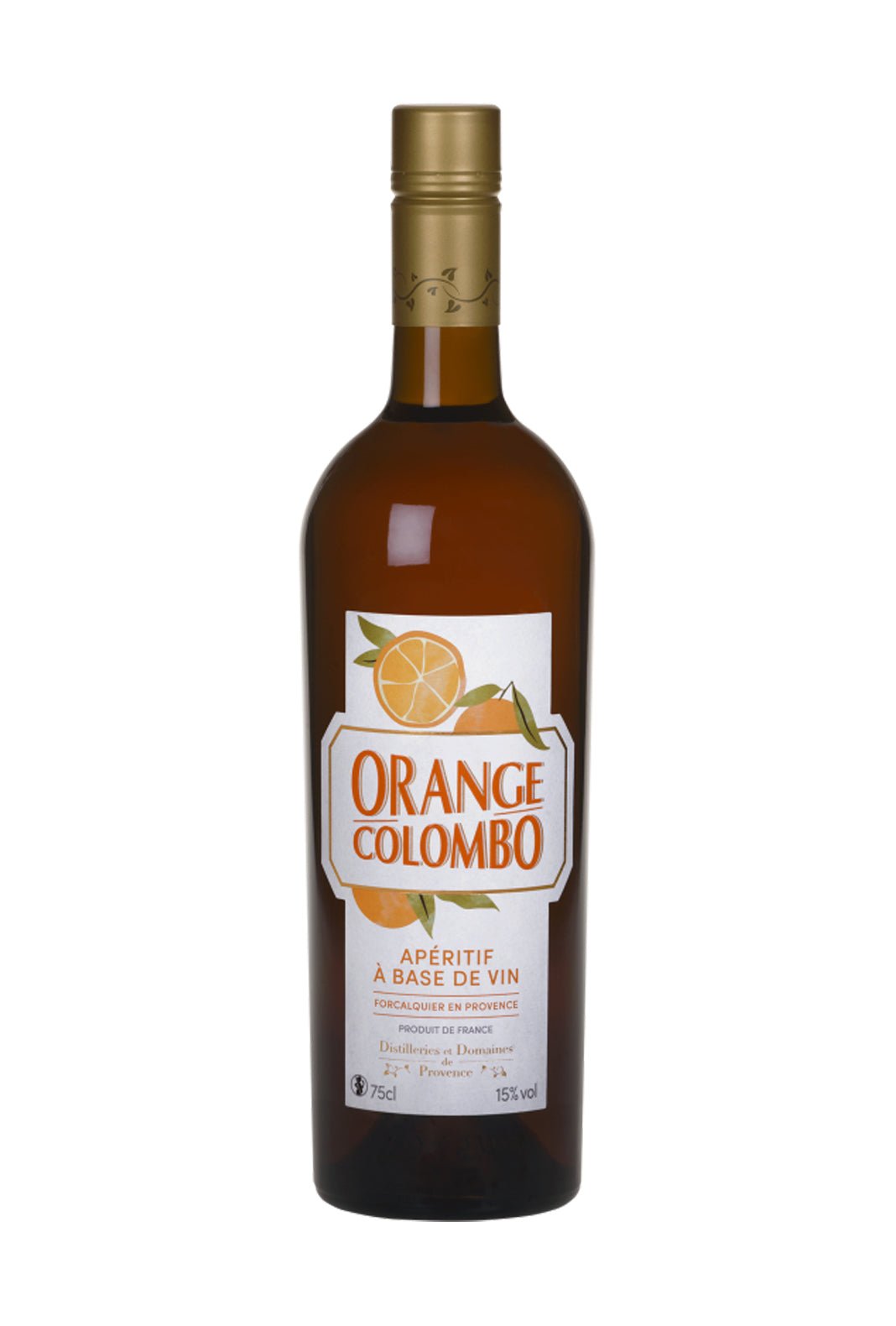
et Domaines de ProvenceDistillerie et Domaines de Provence Aperitif 'Orange Colombo' (Orange) 15% 750ml
Login
750ml·15.0% ABV·6/case
Trade pricing visible after login
Approved trade accounts see live case & bottle pricing.
New to Bouchon? Apply for a trade account

et Domaines de ProvenceHenri Bardouin Pastis 45% 700ml
Login
700ml·45.0% ABV·6/case
Trade pricing visible after login
Approved trade accounts see live case & bottle pricing.
New to Bouchon? Apply for a trade account
et Domaines de ProvenceDistillerie et Domaines de Provence La Grande Absente 69% 700ml
Login
700ml·69.0% ABV·6/case
Trade pricing visible after login
Approved trade accounts see live case & bottle pricing.
New to Bouchon? Apply for a trade account
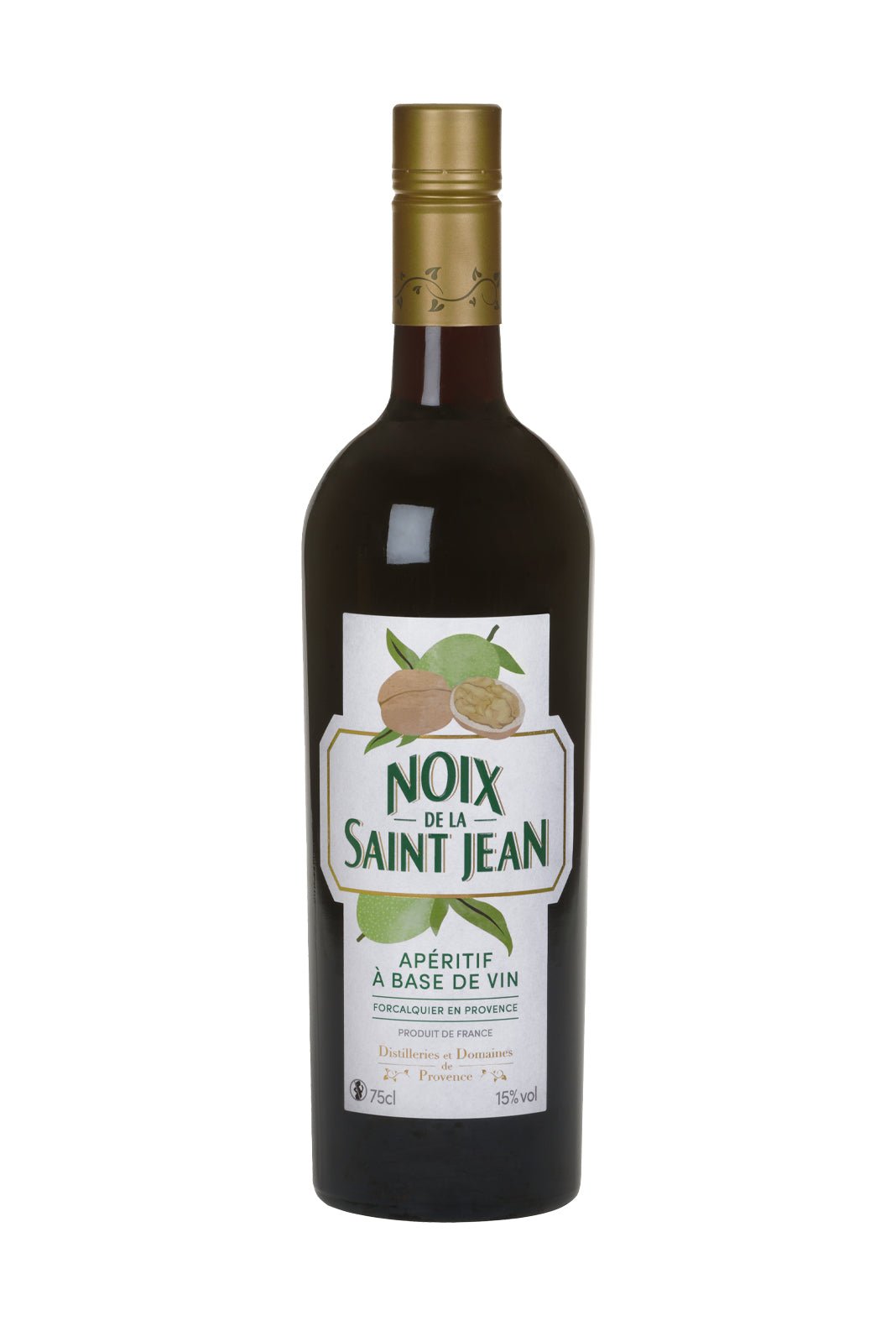
et Domaines de ProvenceDDP Noix de Saint Jean Walnut Aperitif 15% 750ml
Login
750ml·15.0% ABV·6/case
Trade pricing visible after login
Approved trade accounts see live case & bottle pricing.
New to Bouchon? Apply for a trade account
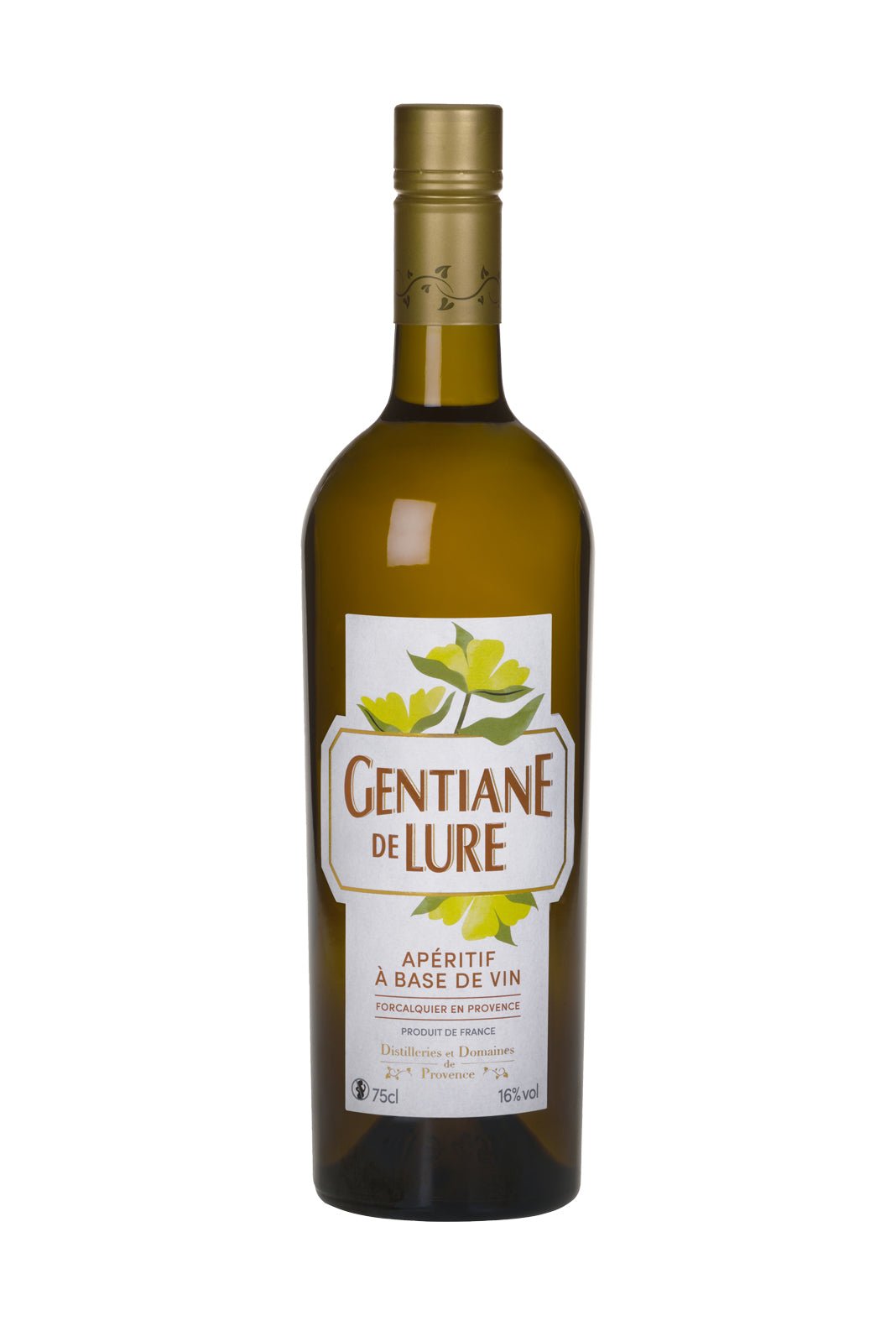
et Domaines de ProvenceDistillerie et Domaines de Provence Aperitif 'Gentiane de Lure' (Gentian) 16% 750ml
Login
750ml·16.0% ABV·6/case
Trade pricing visible after login
Approved trade accounts see live case & bottle pricing.
New to Bouchon? Apply for a trade account
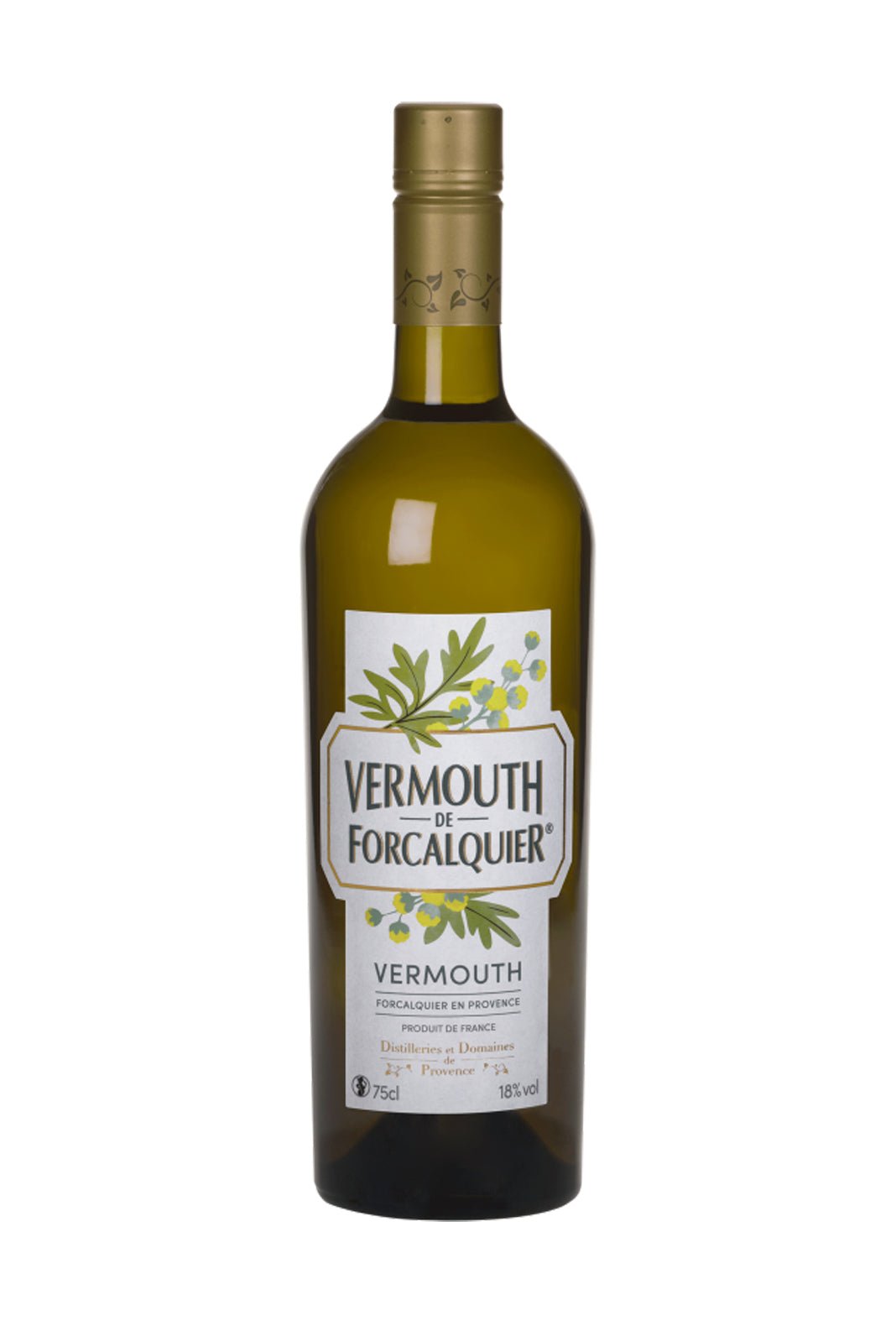
et Domaines de ProvenceDistilleries et Domaines de Provence Vermouth Forcalquier 18% 750ml
Login
750ml·18.0% ABV·6/case
Trade pricing visible after login
Approved trade accounts see live case & bottle pricing.
New to Bouchon? Apply for a trade account
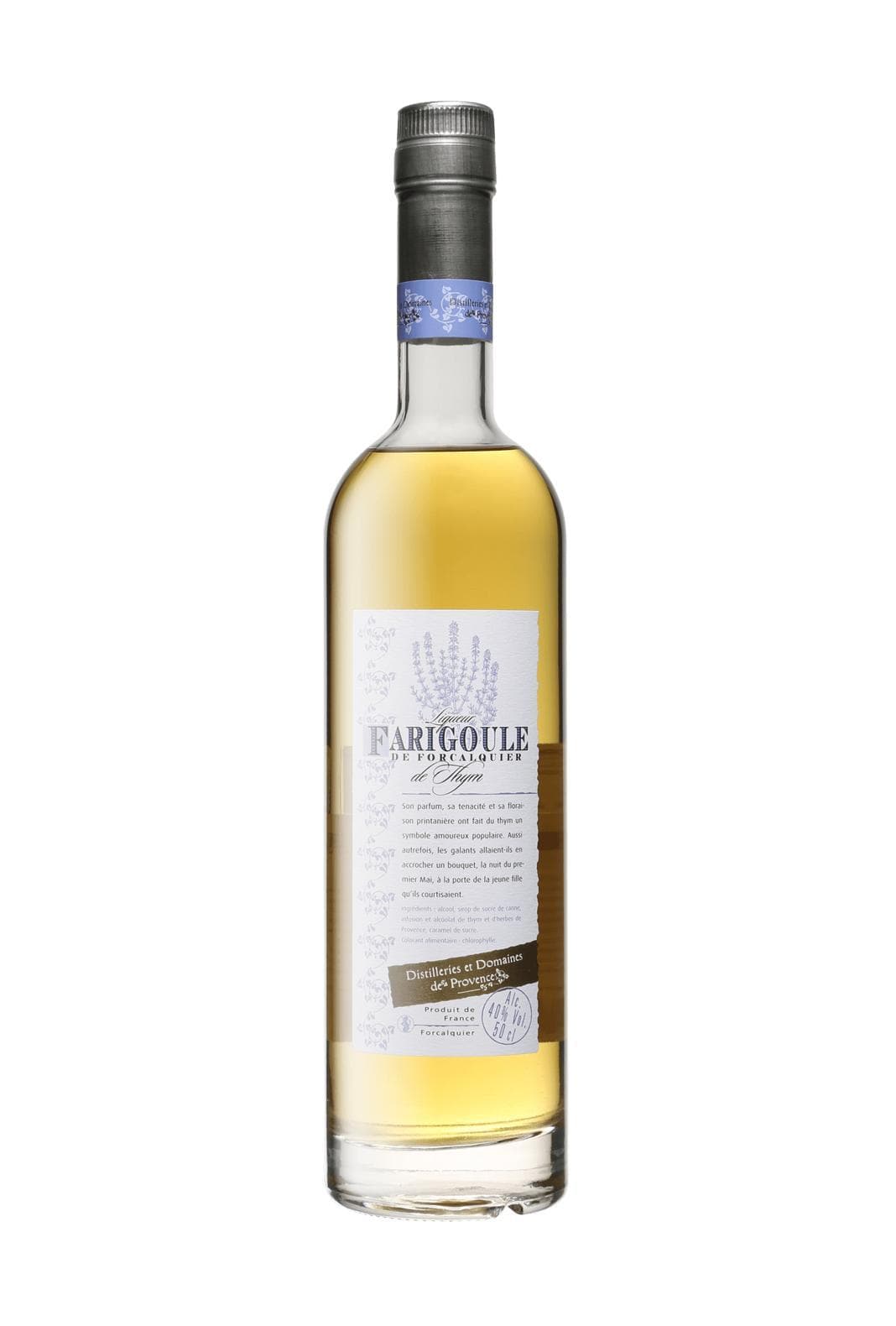
et Domaines de ProvenceDistillerie et Domaines de Provence Liqueur Farigoule (Thyme) 40% 500ml
Login
500ml·40.0% ABV·6/case
Trade pricing visible after login
Approved trade accounts see live case & bottle pricing.
New to Bouchon? Apply for a trade account

et Domaines de ProvenceDistillerie et Domaines de Provence Absente (Absinthe Liqueur) 55% 700ml
Login
700ml·55.0% ABV·6/case
Trade pricing visible after login
Approved trade accounts see live case & bottle pricing.
New to Bouchon? Apply for a trade account